Panorama
Solo show during Salone del Mobile
curated by Annalisa Rosso
Milan
text by Annalisa Rosso
ph: Jeremias Morandell, Ilaria Orsini, Adrianna Glaviano
Gaze, look, view, glance. How many ways of seeing do we have? And to what extent is visual perception a voluntary act, or something that escapes our control? For the psychoanalyst Jacques Lacan, the gaze is external to the subject: it is what returns to us from the world, rather than what we actively direct toward it. And yet, there is a subjective responsibility in looking, one that involves ethical beliefs, political choices, and personal perspectives.
First published in 1961, “Oh, Happy Eyes” by the writer Ingeborg Bachmann is a work of remarkable precision, suspended between what can be said and what remains unsayable. The protagonist is a charming Viennese woman who deliberately keeps the world outside her defective field of vision, she filters reality through a veil of imprecision, choosing not to see ugliness and cruelty. Even if inconveniences persist, she spares herself the constant discomfort of seeing too clearly.
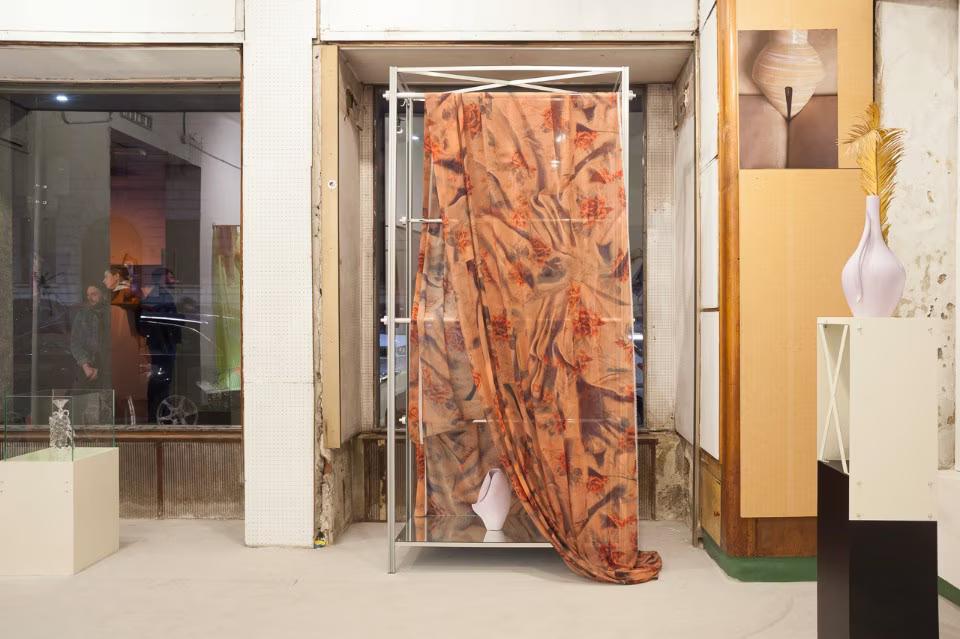
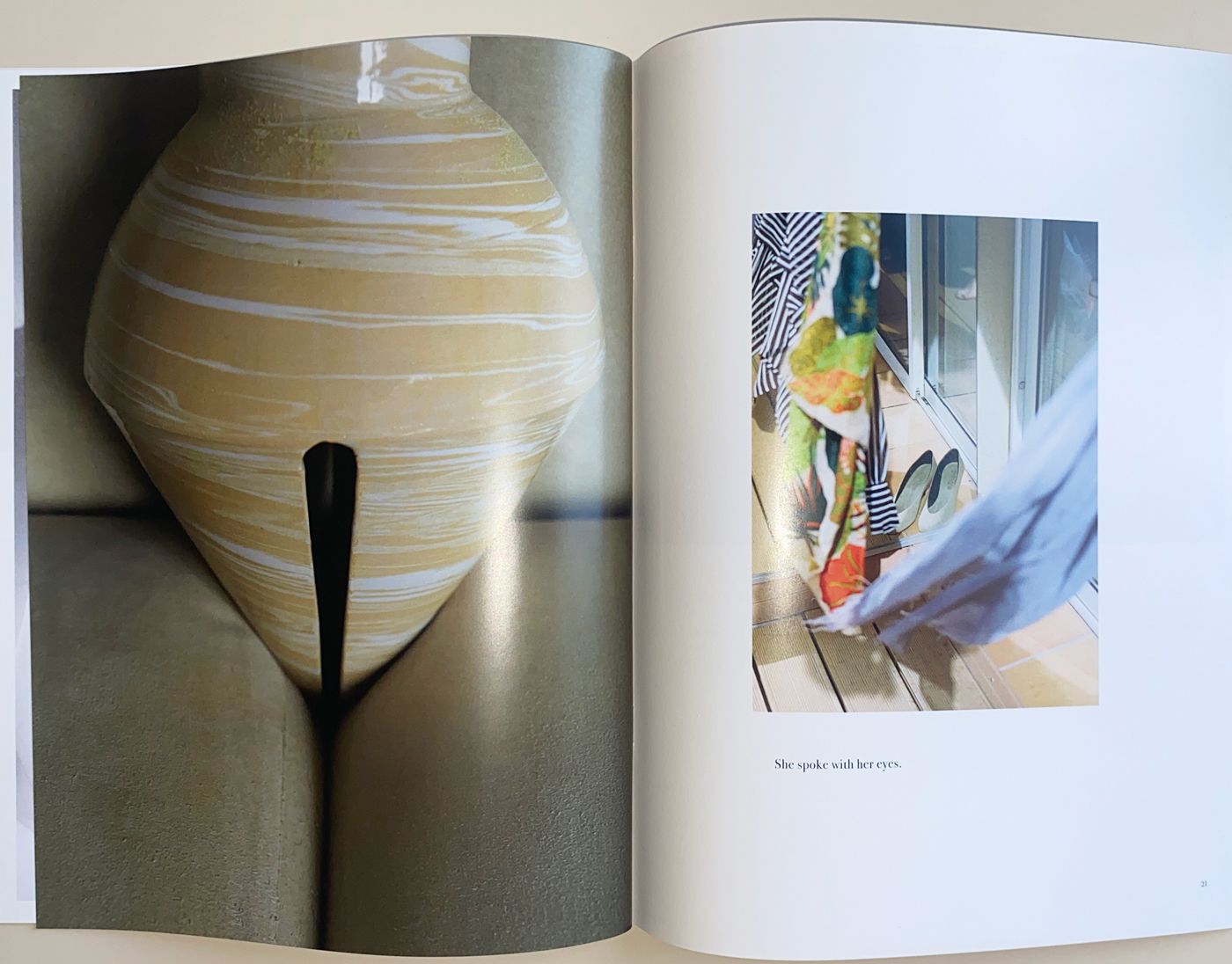
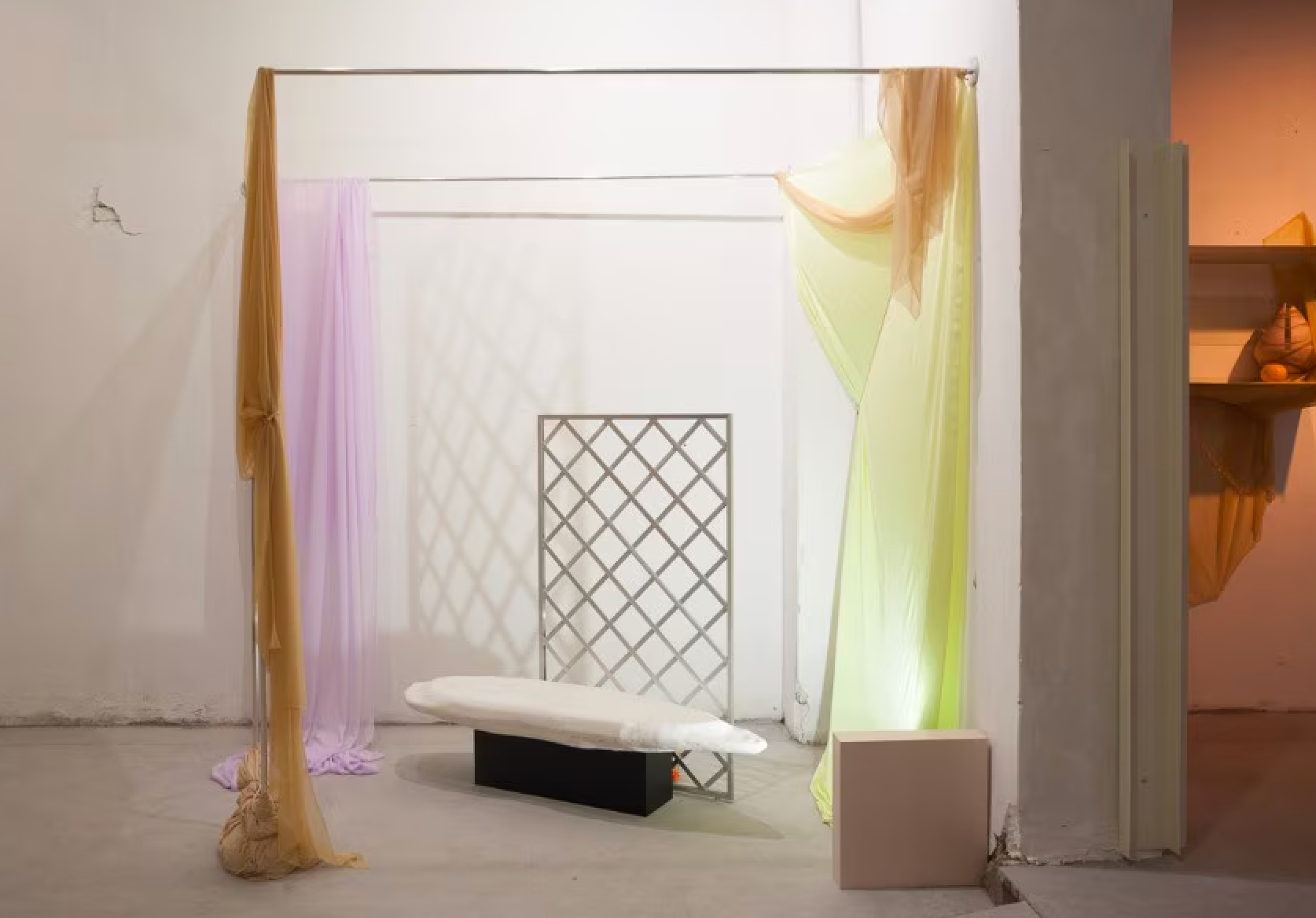
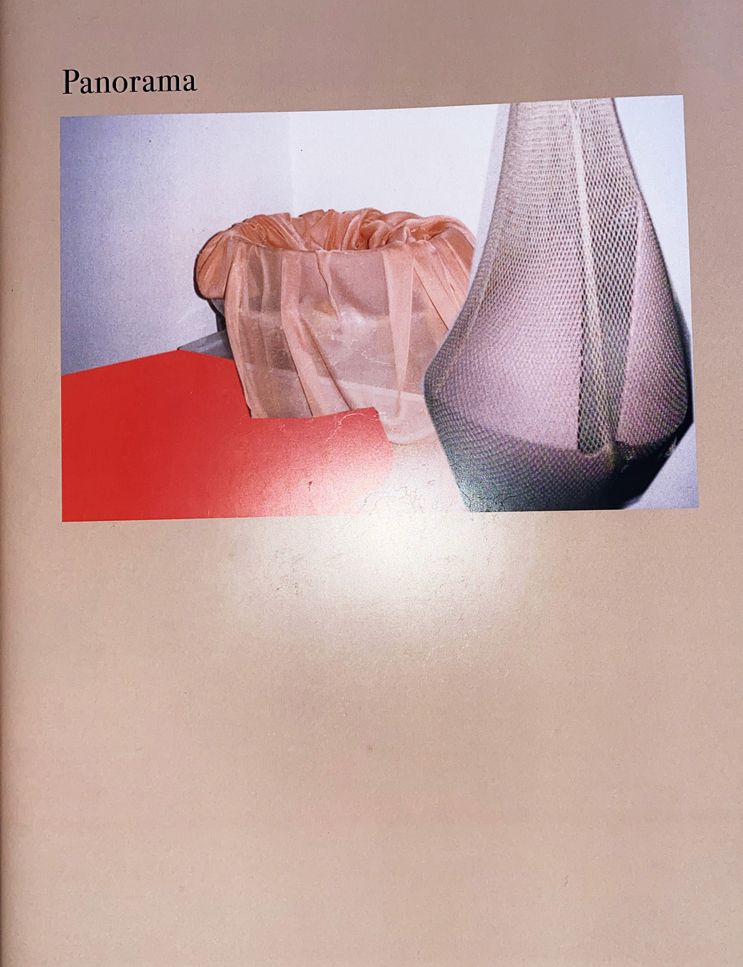
A reflection on the gaze, directly inspired by this short novel, gave rise to “Panorama. A Show for Happy Eyes” by Valentina Cameranesi, presented during Salone del Mobile 2018 for the 5VIE district, in the former Meazza hardware store in Milan, with its large shop windows long left abandoned.
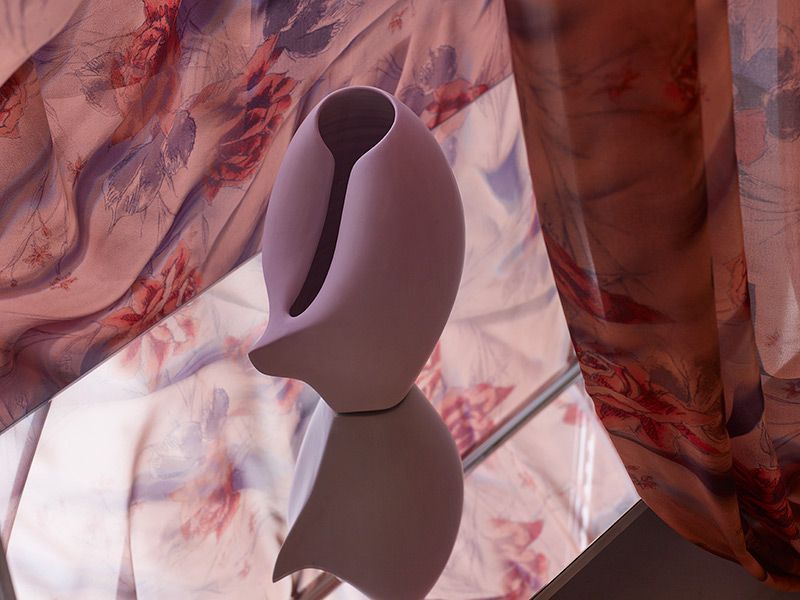
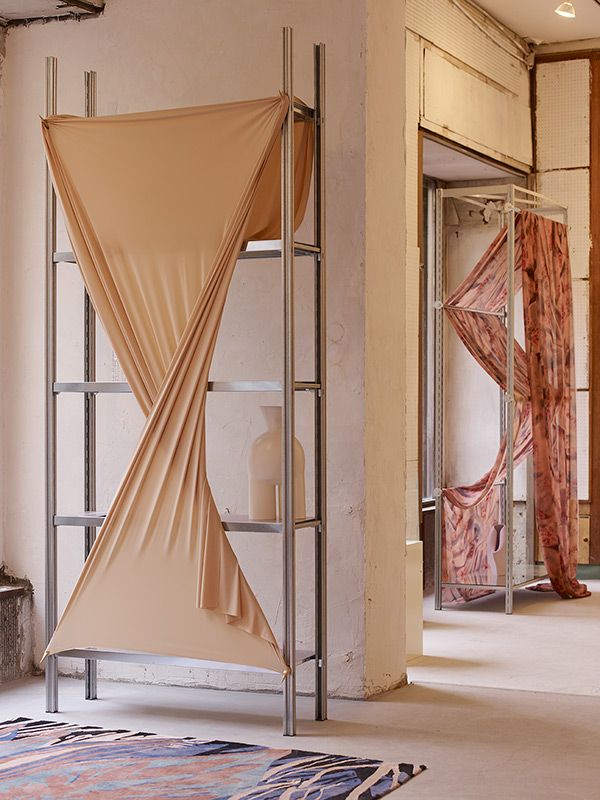
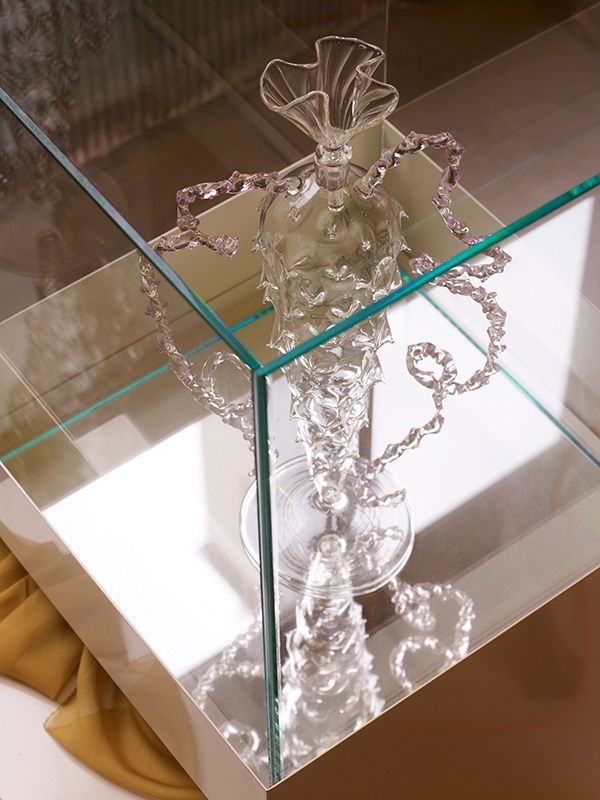
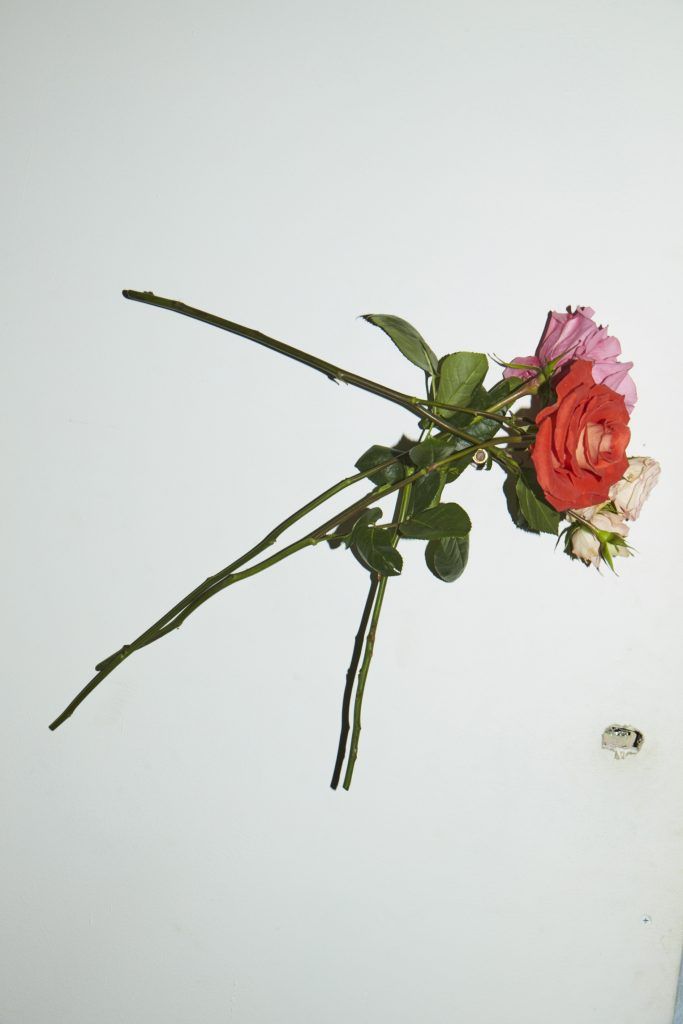
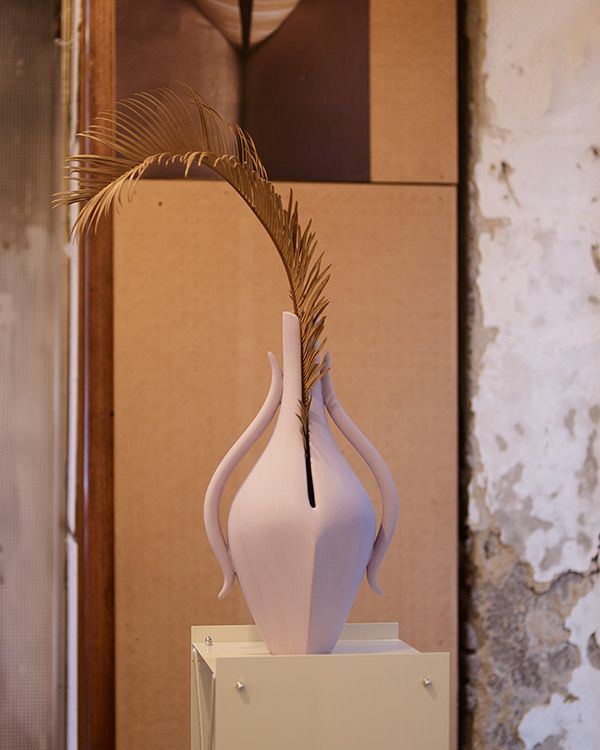
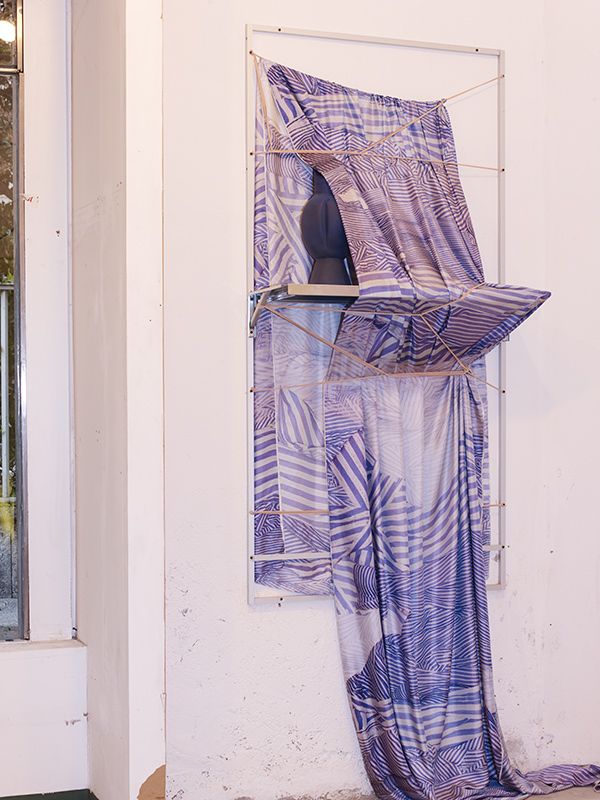
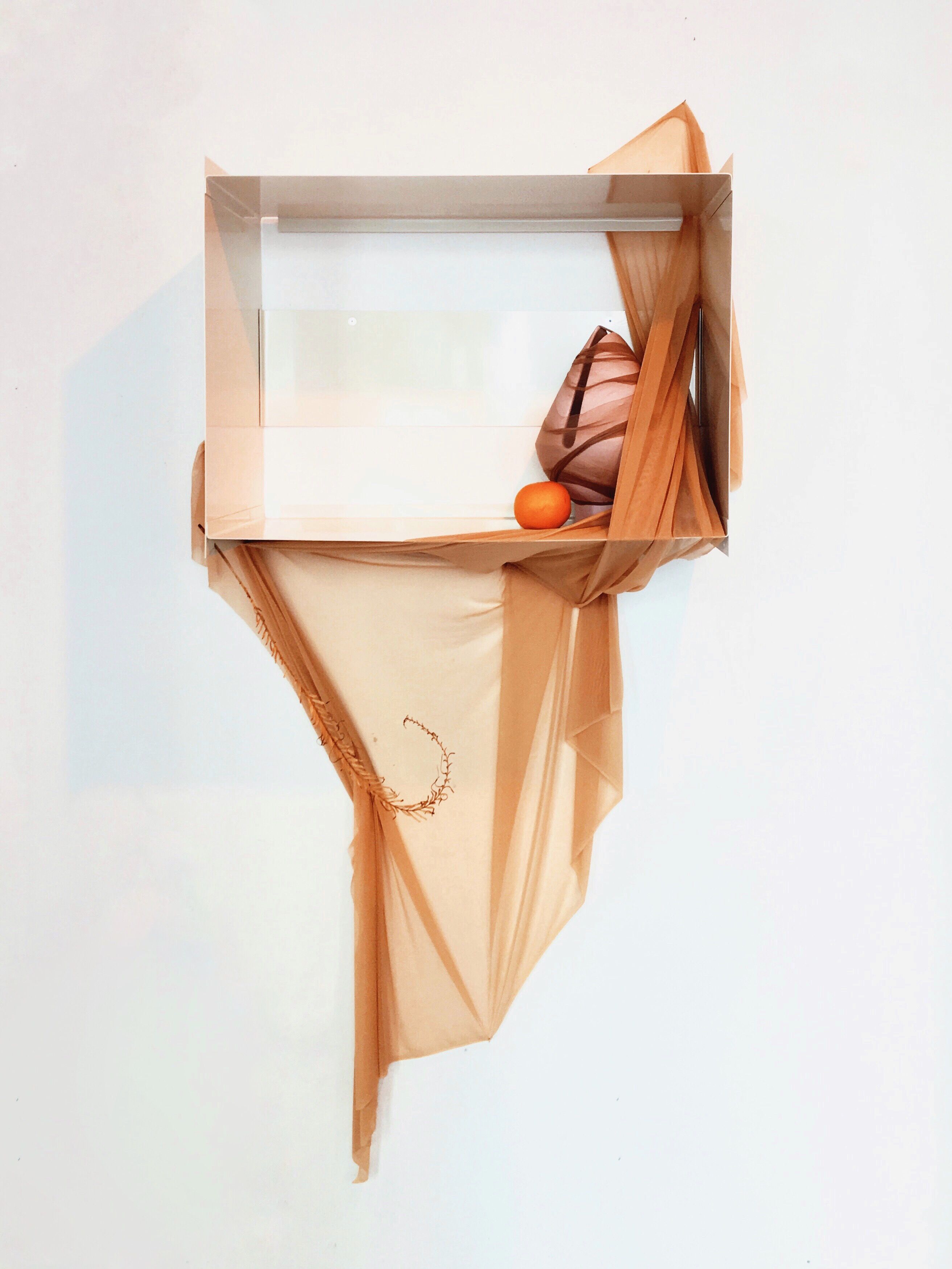
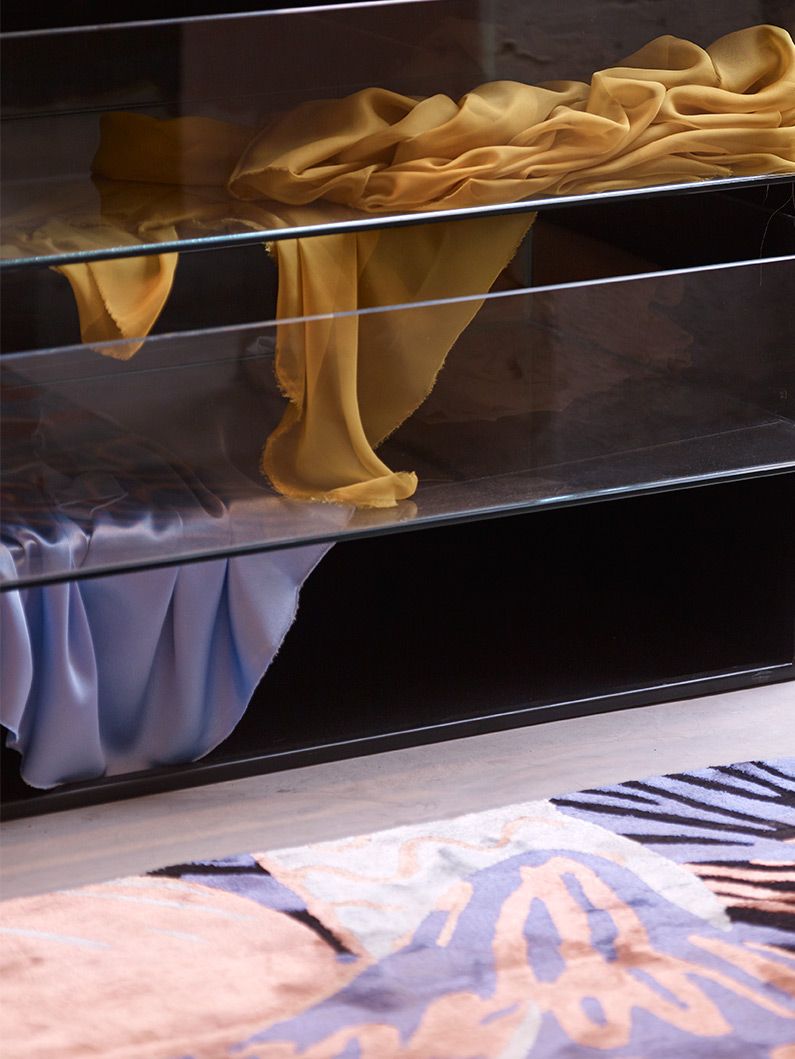
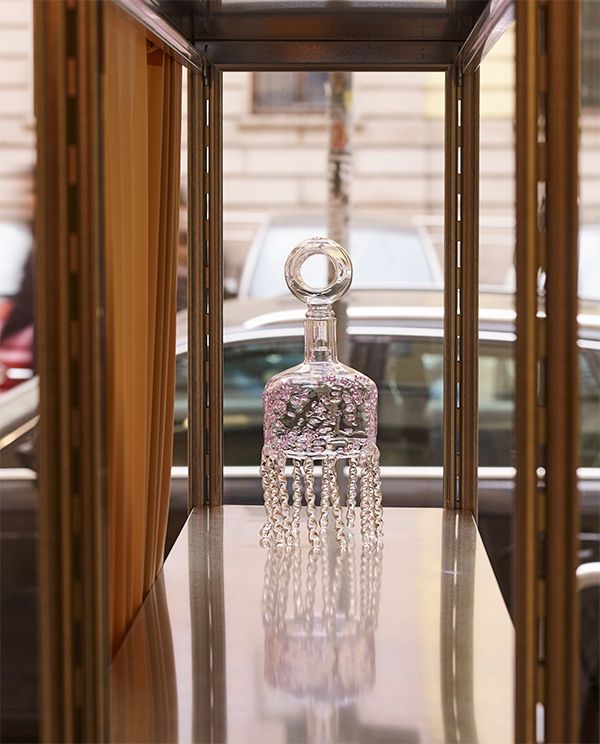
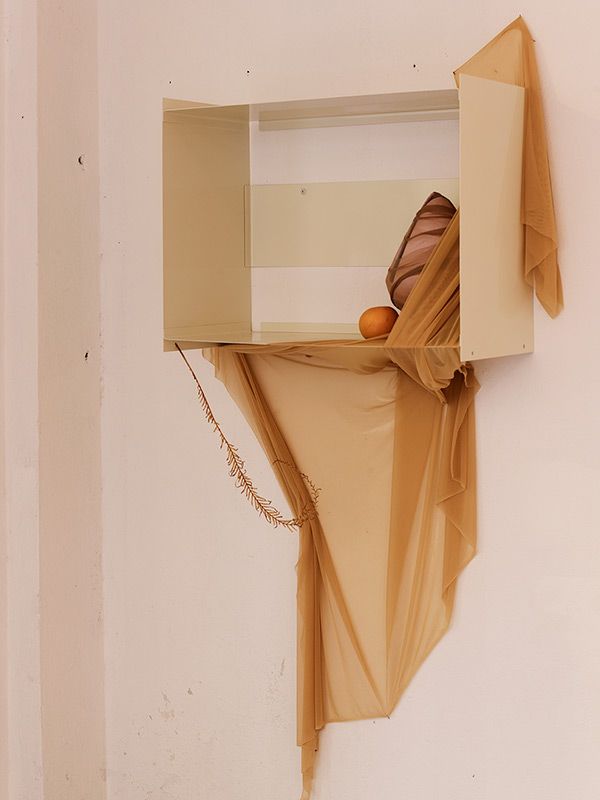
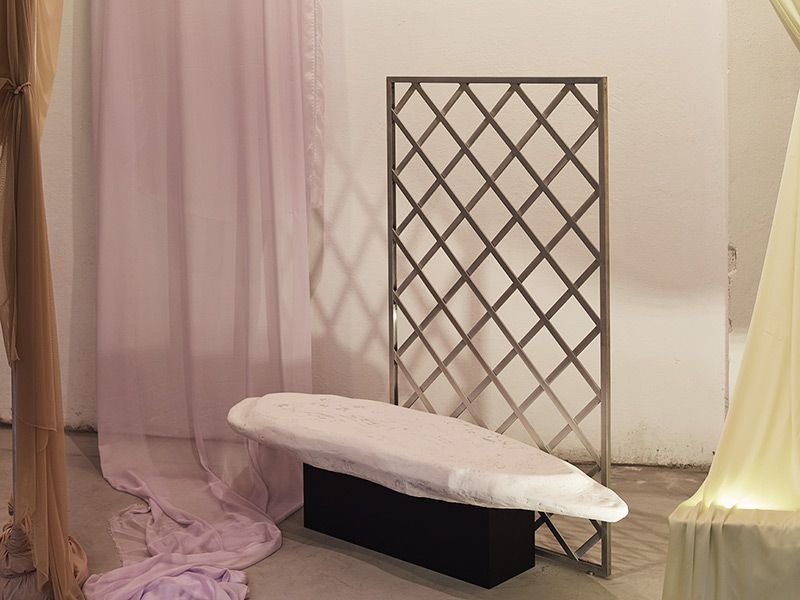
Inside, an artificial and idealized boutique unfolded, composed of alluring and mesmerizing displays that attracted the gaze while only partially revealing the objects on view.
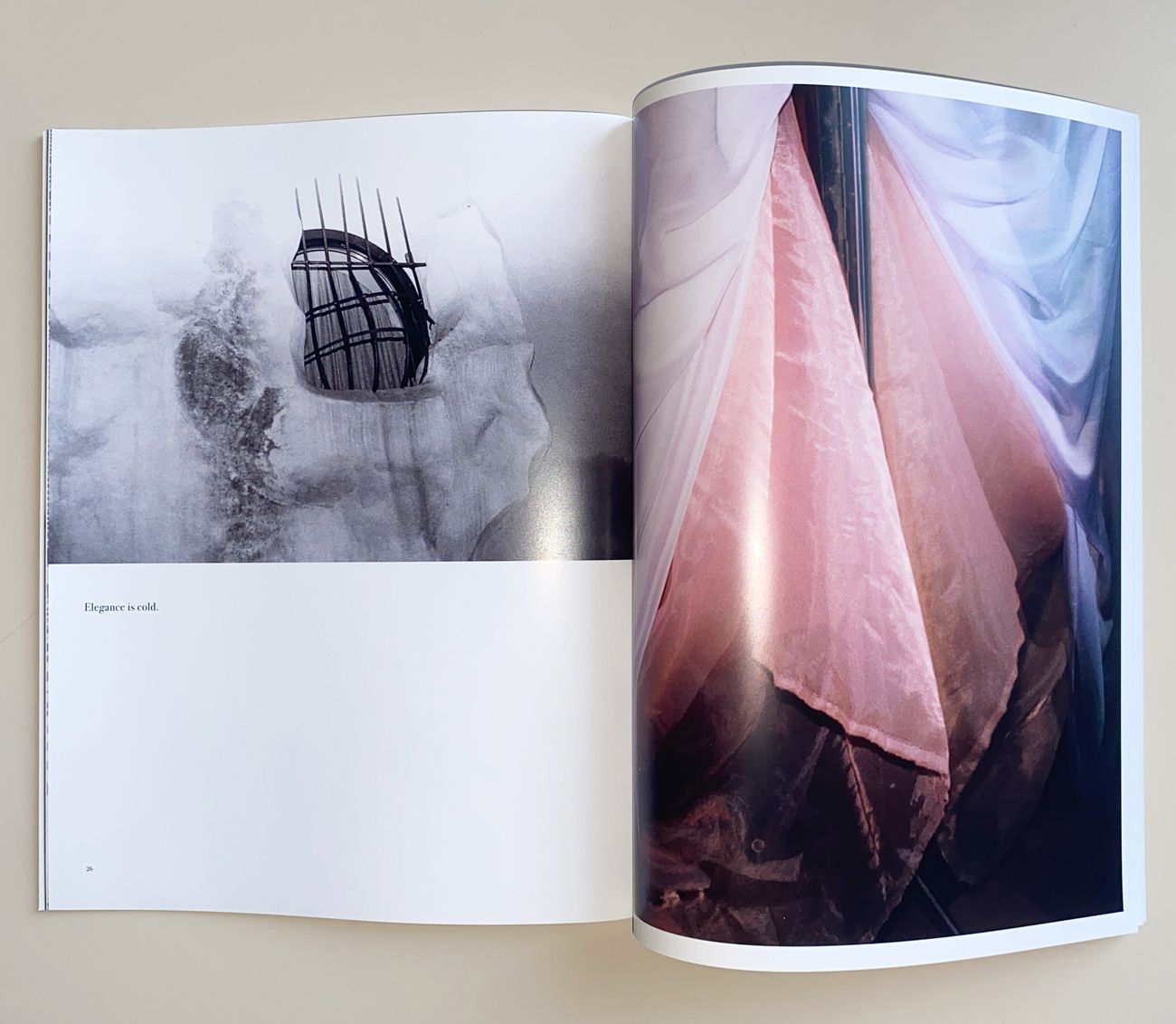
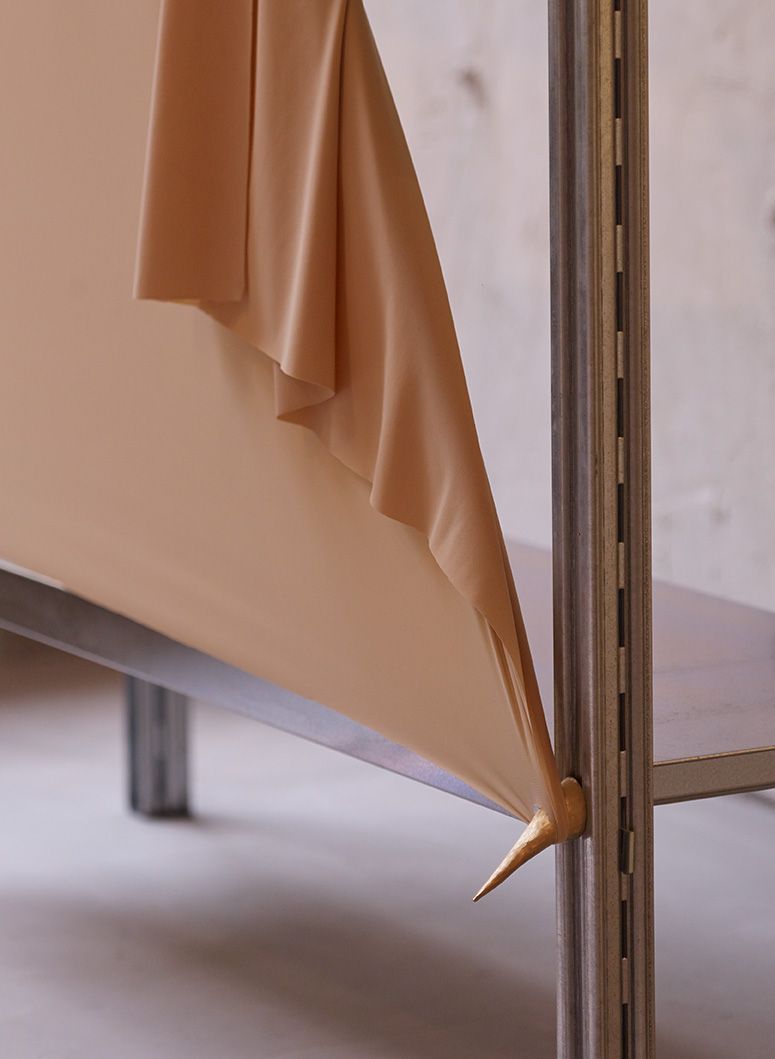
The materials are those characteristic of the designer’s practice: glass and metal, ceramics and textiles. Elements that are at once soft, seductive, and intimately feminine, yet cold, cruel, and sharp, as the small bronze thorns protruding from the metal shelving, holding the soft textile draperies in place.
In Cameranesi’s work, the gaze functions like a pendulum, oscillating in a mobile balance between reality and imagination. In the distance between observer and observed, the gaze becomes an intermediate space: neither escape nor total immersion. It is a form of visual sublimation that transforms reality through imagination, making it tolerable and opening it to new interpretative keys, drawn from atmospheres that each of us can recognize within our own experience, without nostalgia or direct evocation.
The question remains open, deliberately unresolved, and meanwhile, as always, the unconscious is at work, as the poet Edoardo Sanguineti always said. What remains firm is a suspicion toward any language that claims to deliver absolute truths, and for this reason a sense of the ephemeral prevails: light, elegant. Complexity is not eliminated but approached without heaviness. The panorama on display is an idealized mental landscape rather than a mere aesthetic surface. It allows one to project an inner order onto the world, a temporary equilibrium, because to look at a panorama ultimately means to look from an emotional and mental distance that protects.
As with Bachmann’s work, Valentina Cameranesi’s practice can be described as conceptual without being abstract. It asks the observer to activate their capacity for attention, including an introspective one. Her gaze is steady and sharp, focused on the gap between perception and reality.
According to Carlo Fruttero and Franco Lucentini, Bachmann herself was very short-sighted. She died in 1973 in her Roman apartment after falling asleep with a lit cigarette between her fingers, her nylon blouse catching fire.
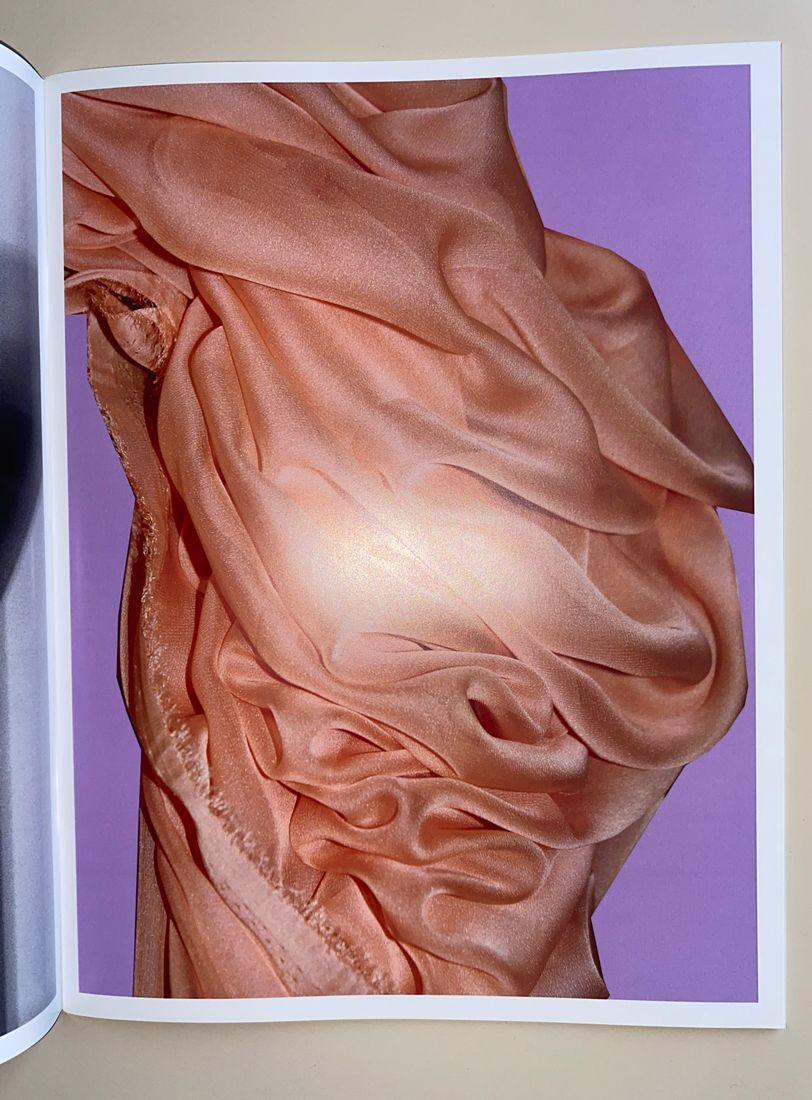
I imagine that blouse patterned with delicate colors which, under closer inspection, might reveal something quietly disturbing.