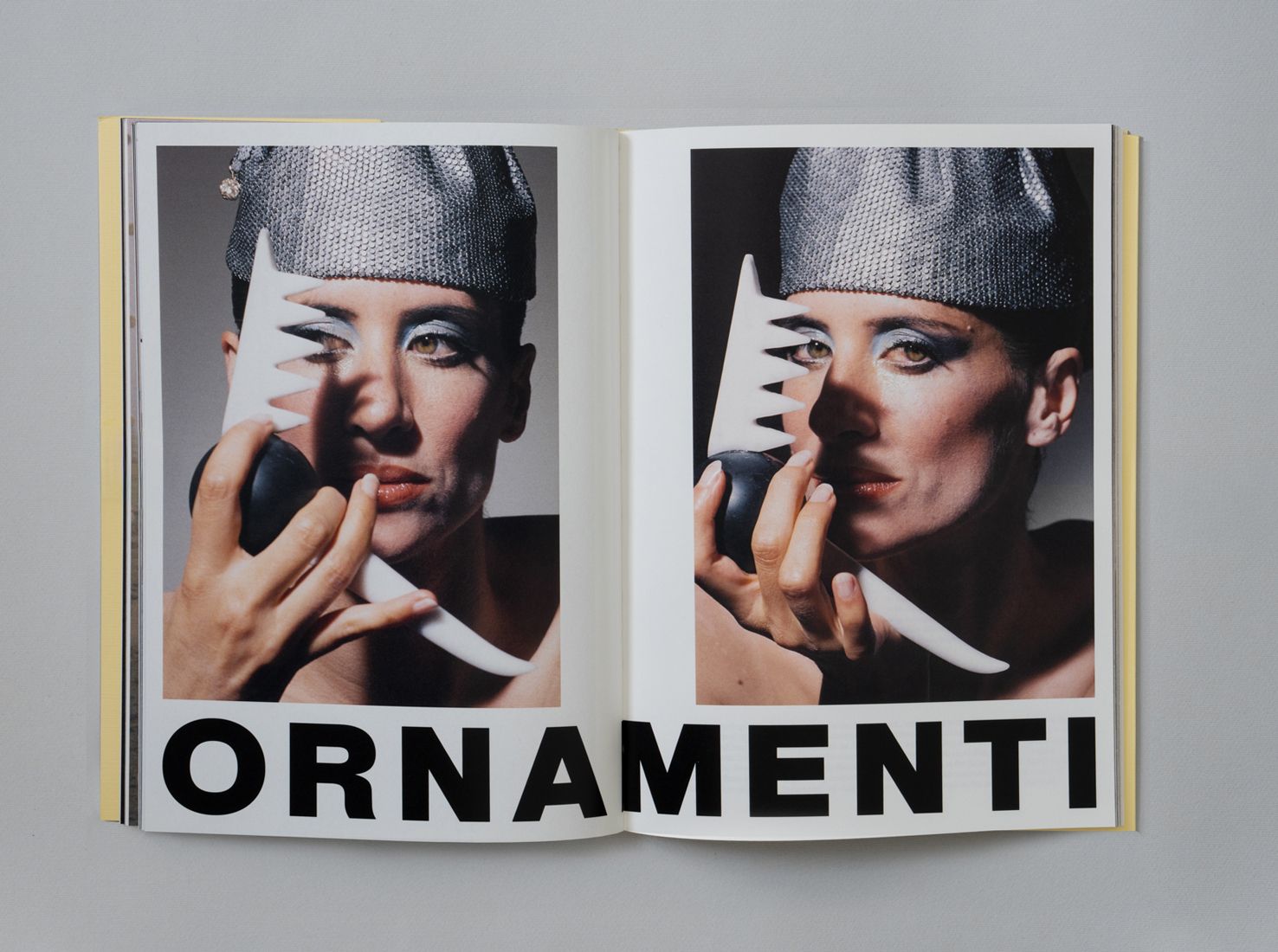
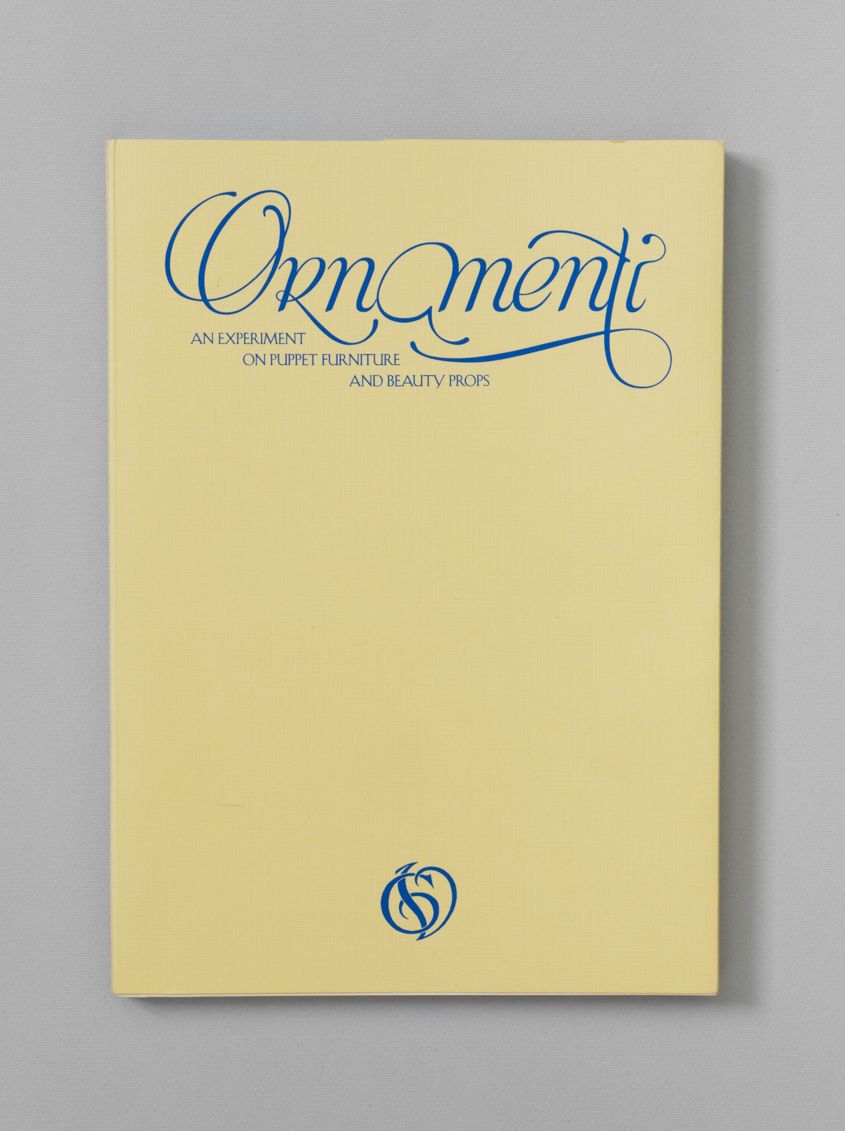
Ornamenti
an experiment on puppet furniture and beauty props.
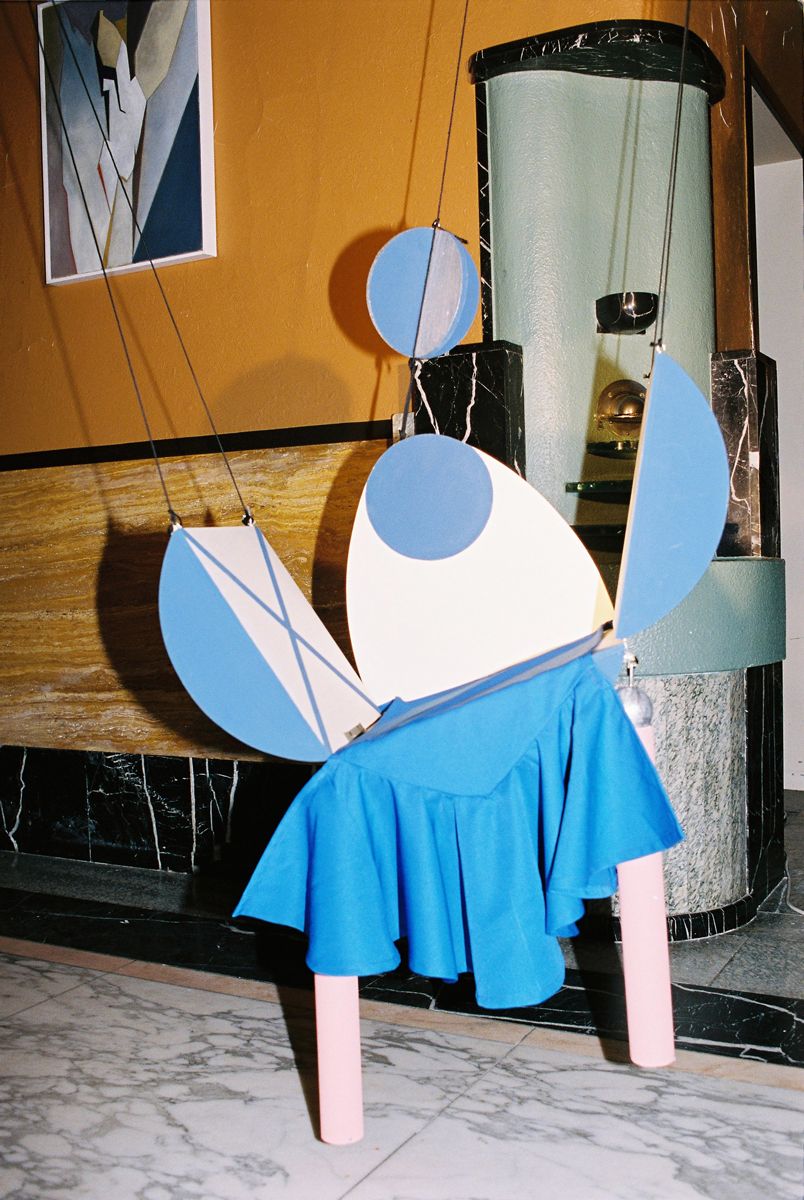
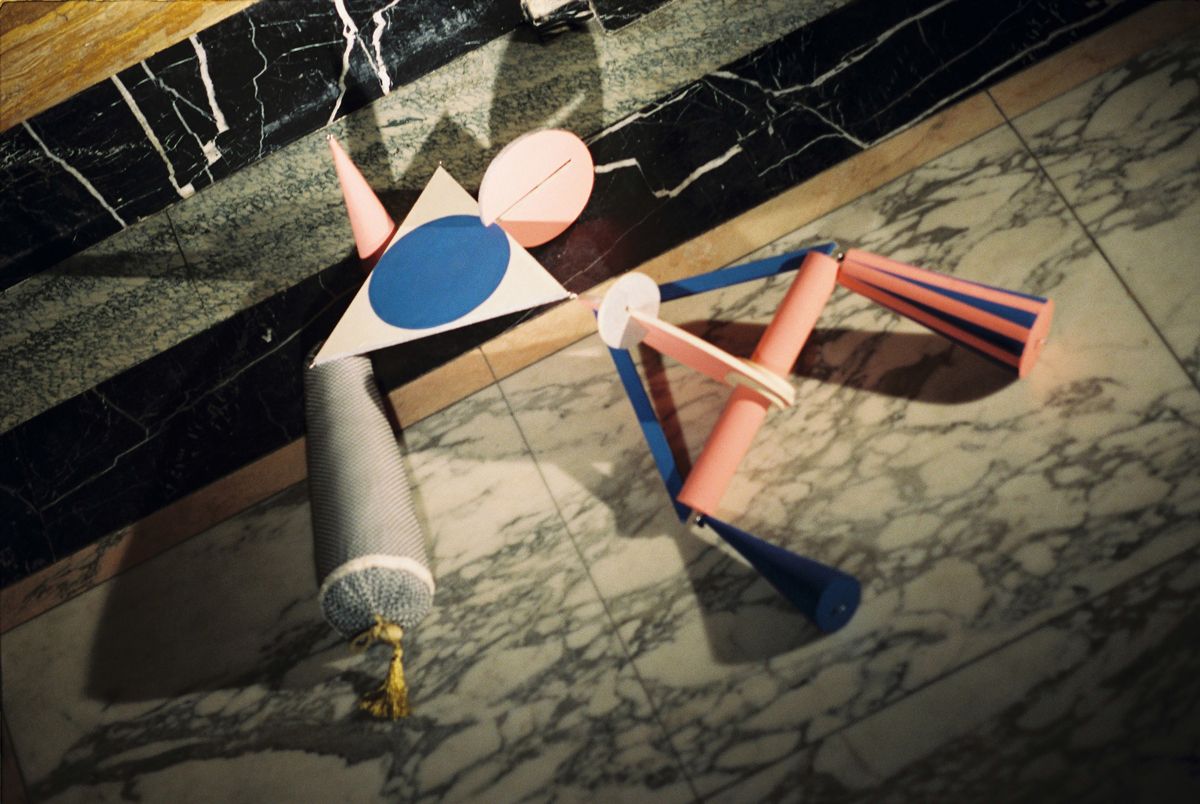
With the opportunity to develop a photographic project at Lucy McKenzie’s Villa Ooievar, in Ostend, designed by Jozef de Bruycker in 1935, I conceived a series of marionette-like furniture pieces alongside a set of beauty-related objects, and invited photographer Camille Vivier to collaborate on their documentation.
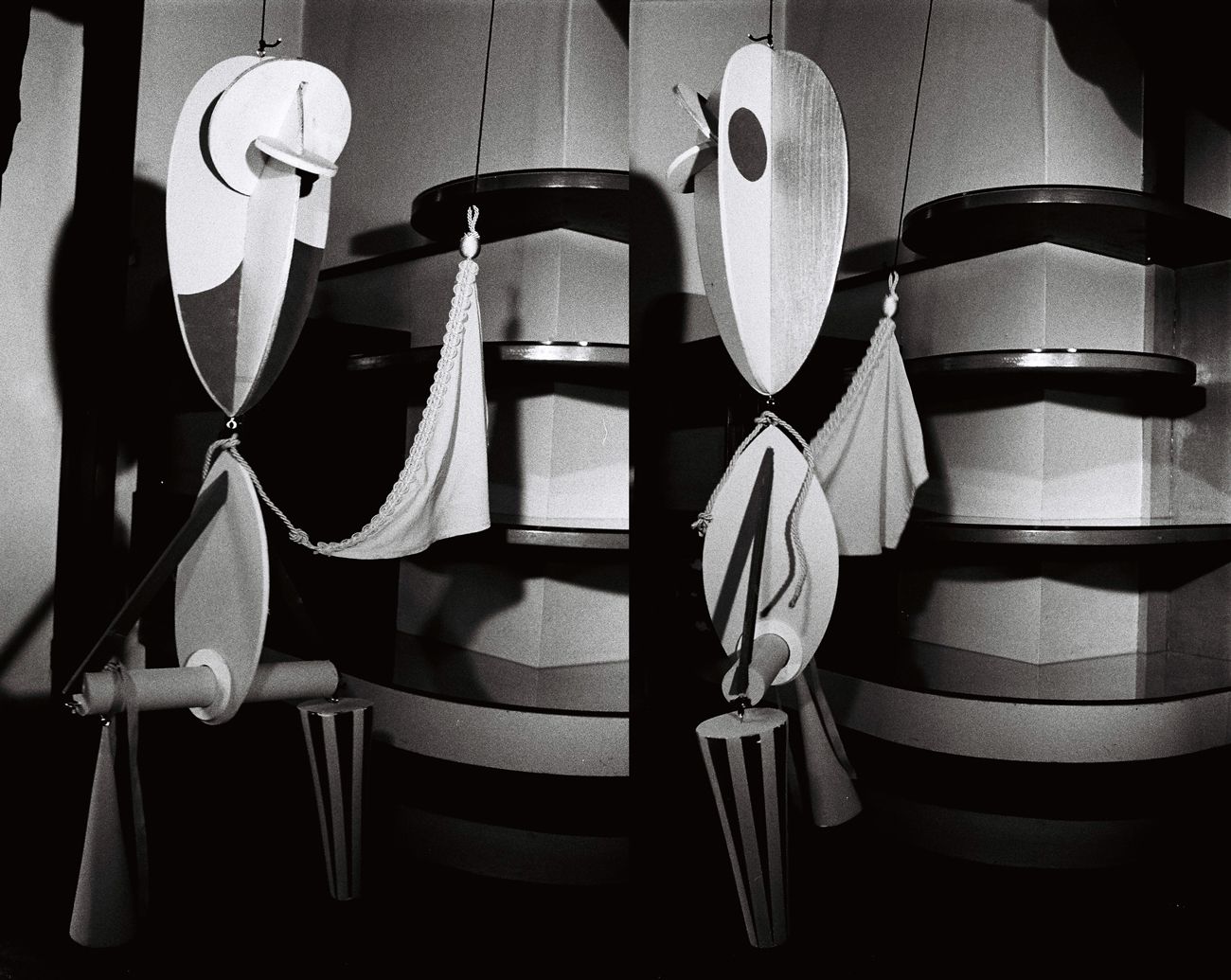
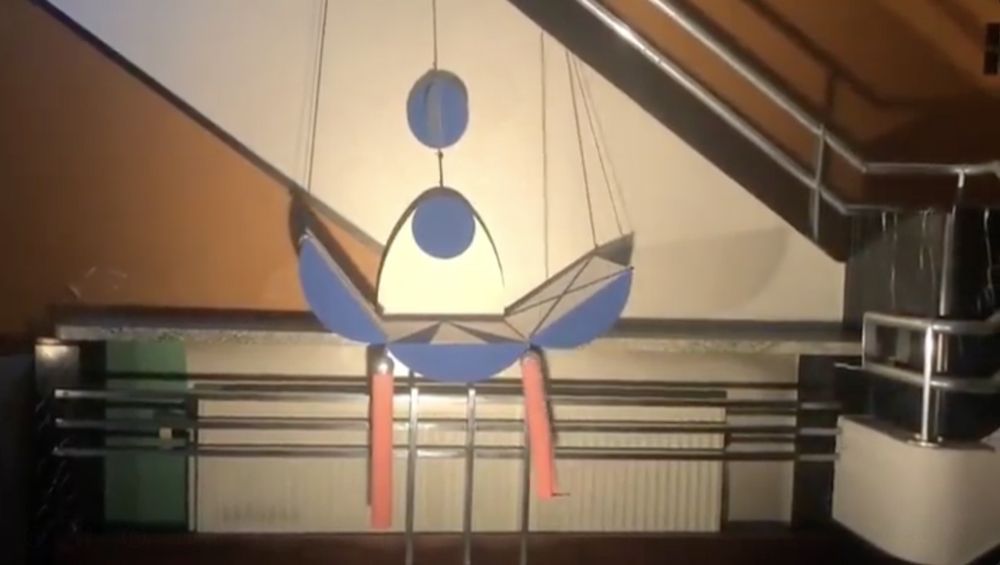
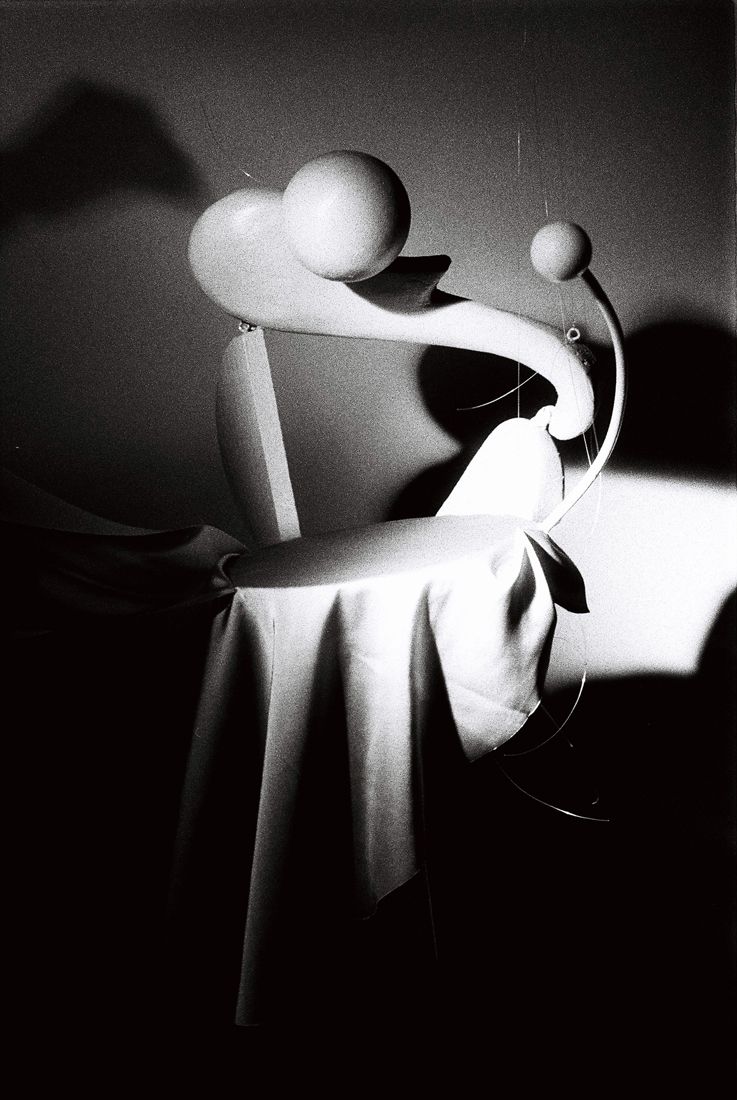
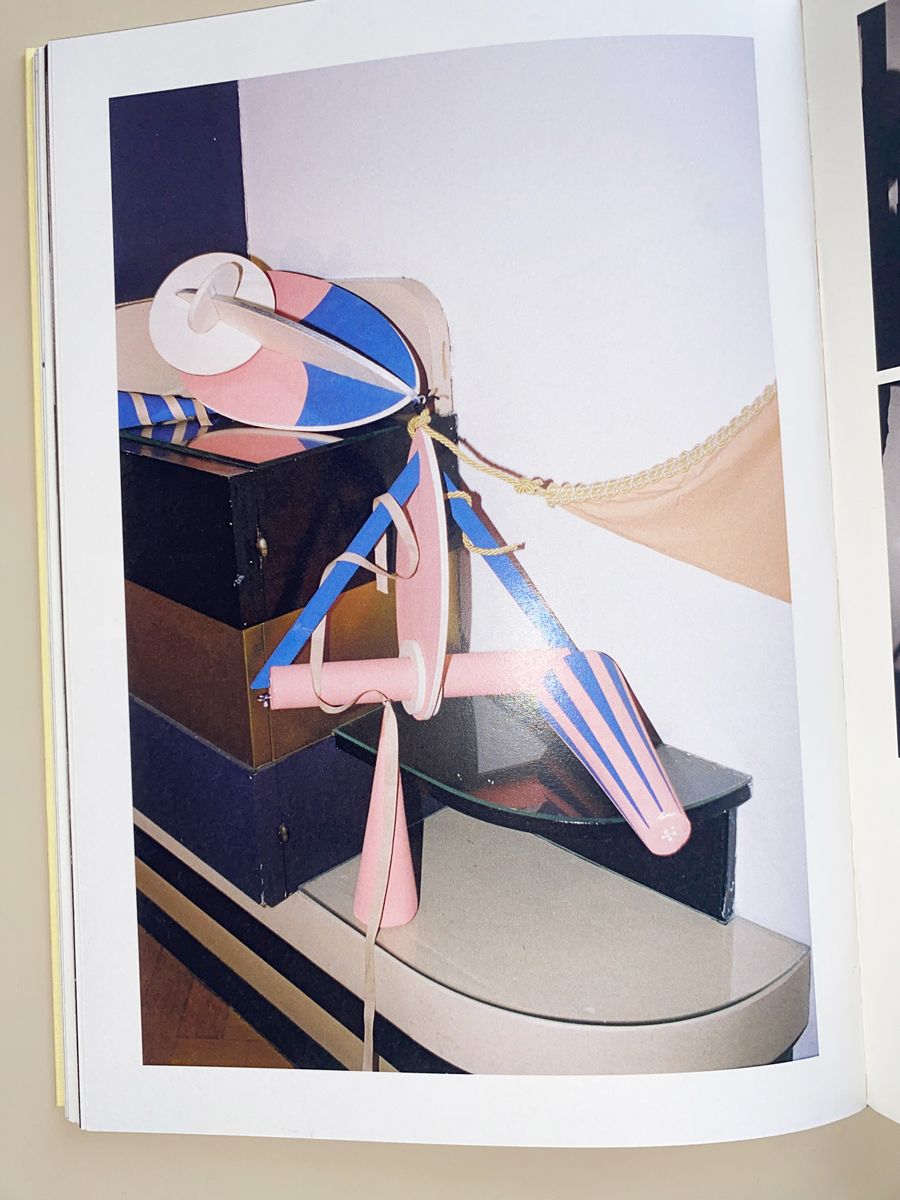
By creating these marionette furnishings and subtly repositioning them from shot to shot, my intention was to animate the space without the viewer’s awareness, rather than producing an installation that would use the surrounding architecture merely as a backdrop.
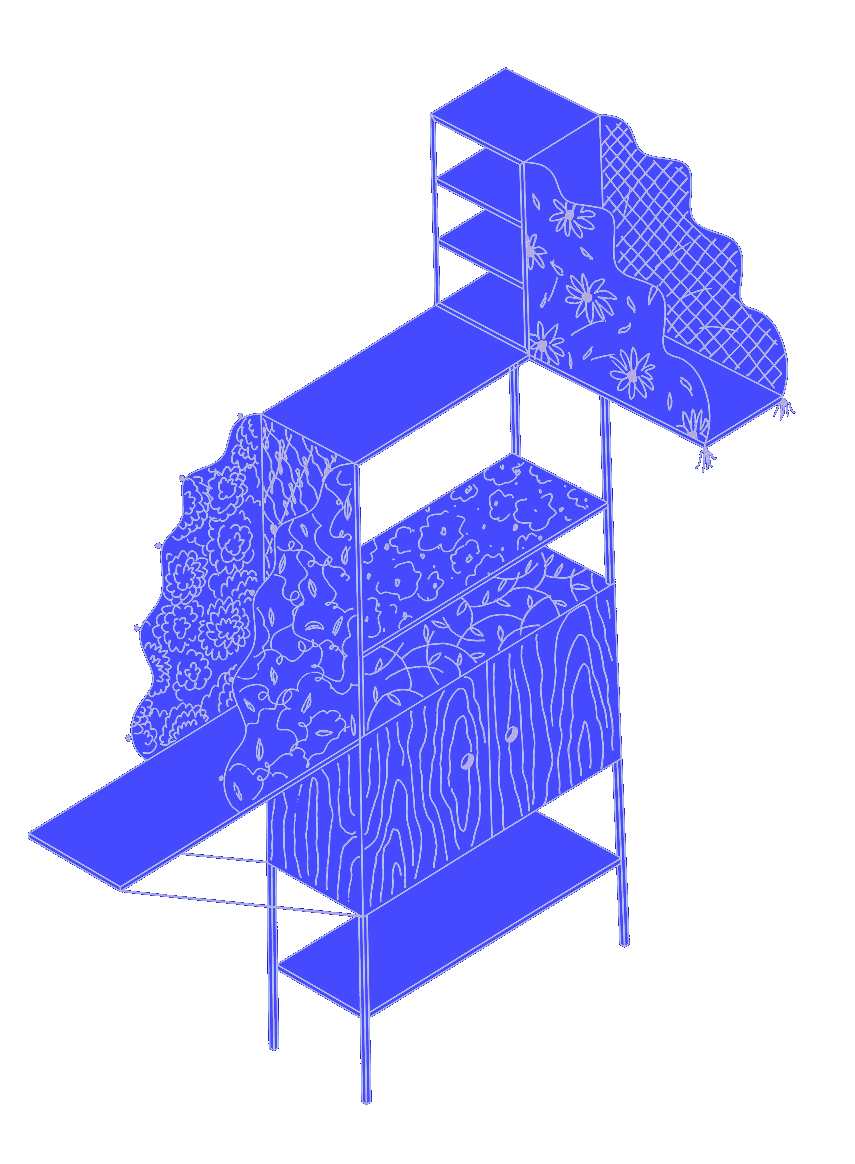
These almost modernist structures are fragmented into separate elements, generating the illusion of an unseen theatre. Embracing their fictional and temporary nature, the objects were conceived as examples of applied art rather than functional design pieces, existing primarily to be photographed and to illustrate a narrative for adults, simultaneously fascinating and unsettling.
Their proportions are deliberately ambiguous, the design intentionally unpolished, and their functionality ceases the moment they touch the ground and collapse. Two additional chair-marionettes adopt a near–Art Nouveau vocabulary: one resembling an oversized jewel chair, the other evoking a chair made of tulle, akin to a piece of lingerie.
A fragile, ornamental marionette.
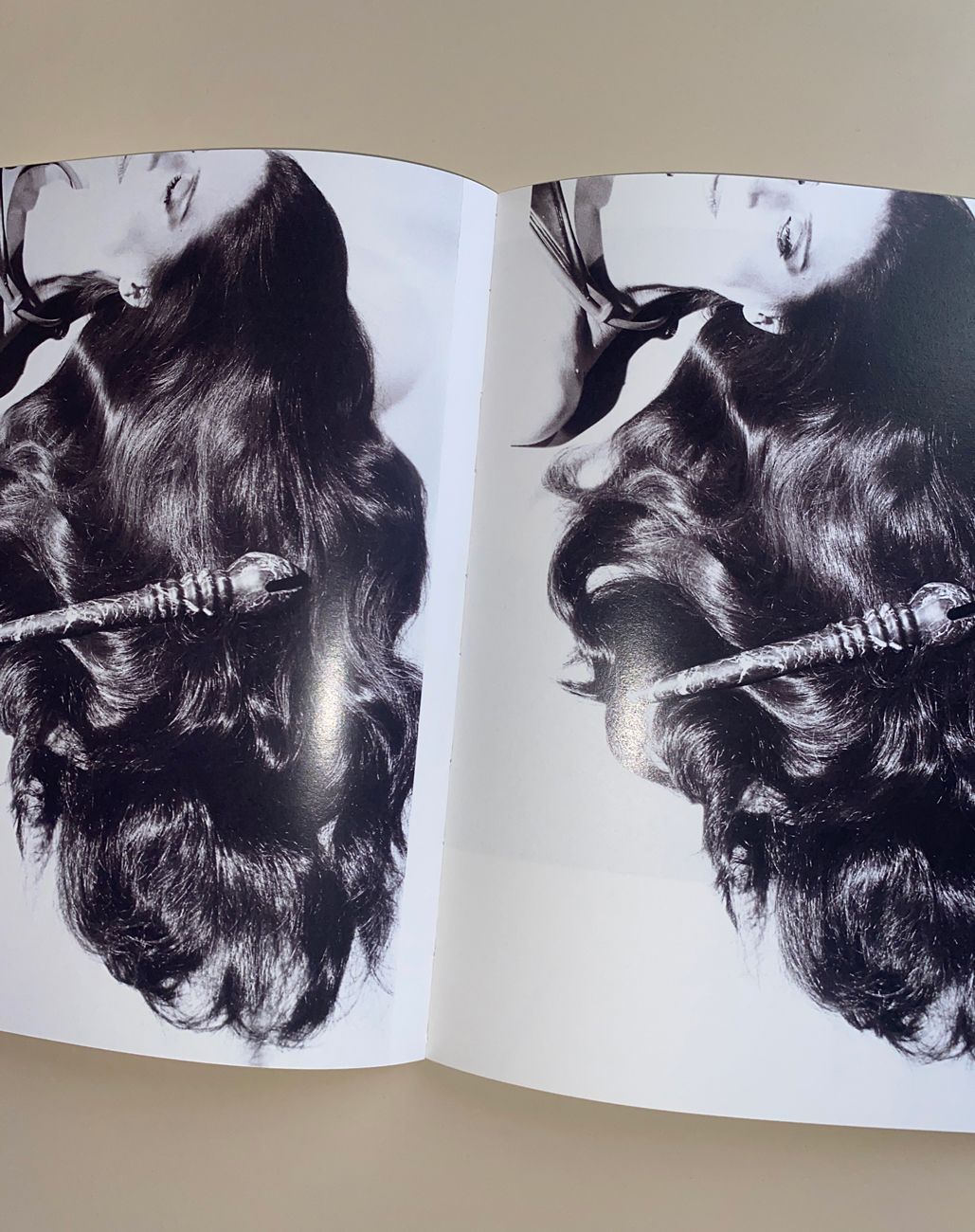
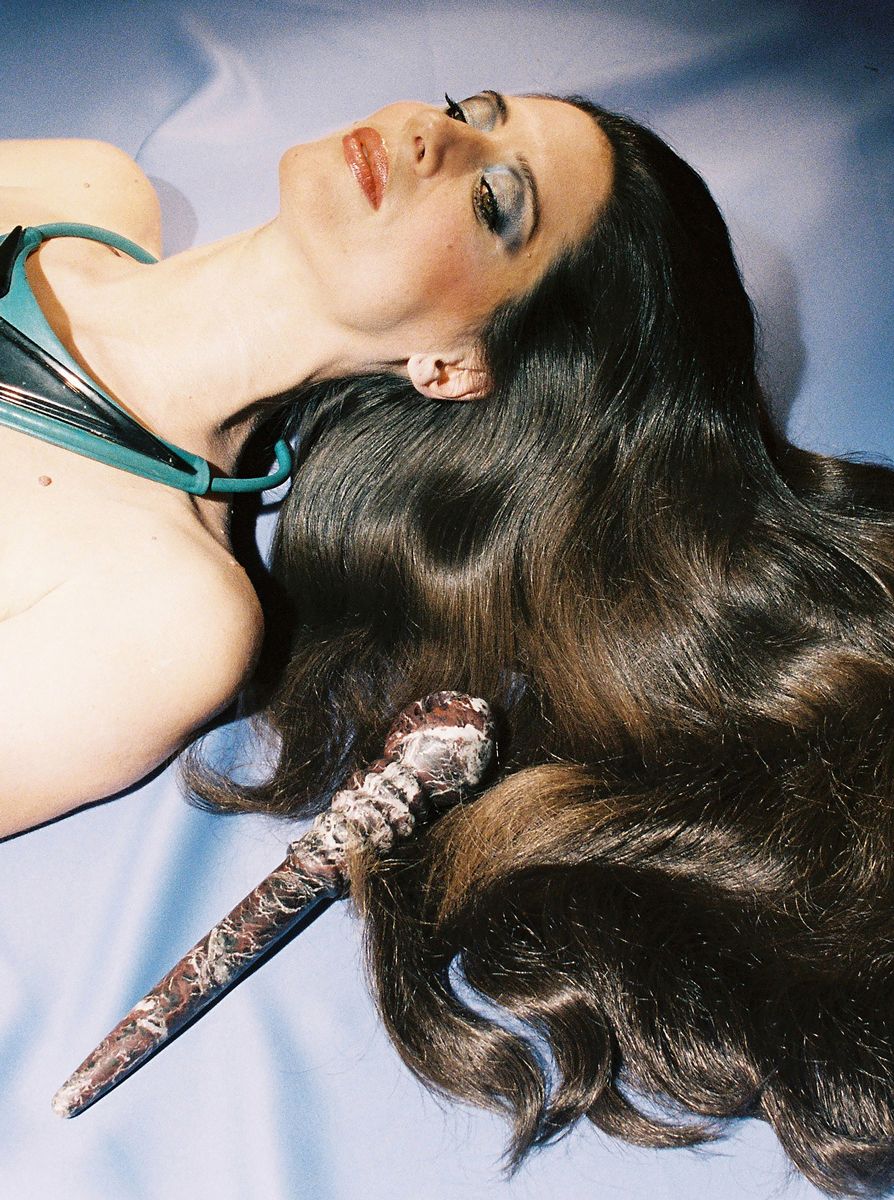
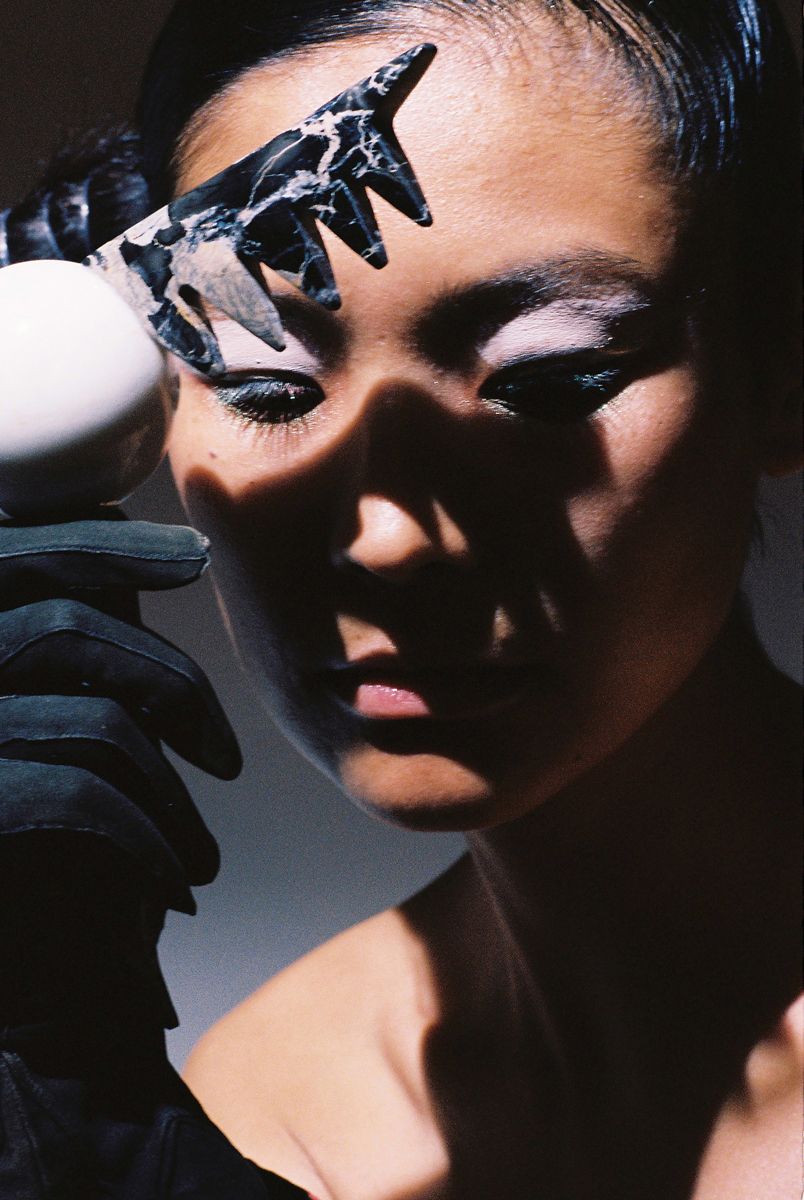
The remaining objects, photographed in the studio, are crafted from semi-precious stones and take the form of perfume flacons or peculiar beauty instruments. Inspired by films such as Dead Ringers and Beetlejuice, where production design plays a fundamental narrative role, these fictitious combs and perfumes function as props: dismantled marionettes that populate staged beauty images. The photographs deliberately reference cinematic frames and television advertising, foregrounding their artificiality and echoing contemporary excesses in makeup and hairstyling.
The resulting images operate in the memory of clichés associated with beauty and design, where everything is overtly staged, yet proportions and configurations are subtly destabilized.
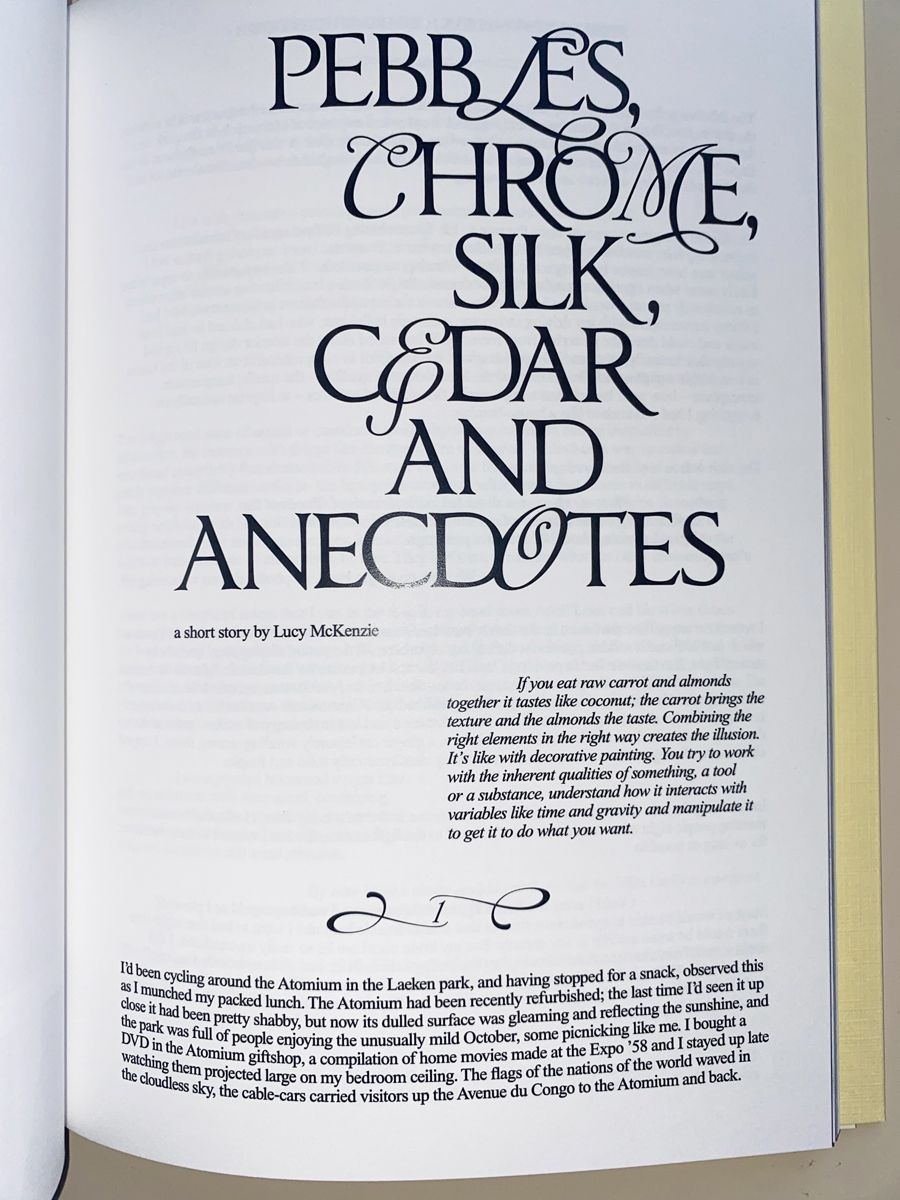
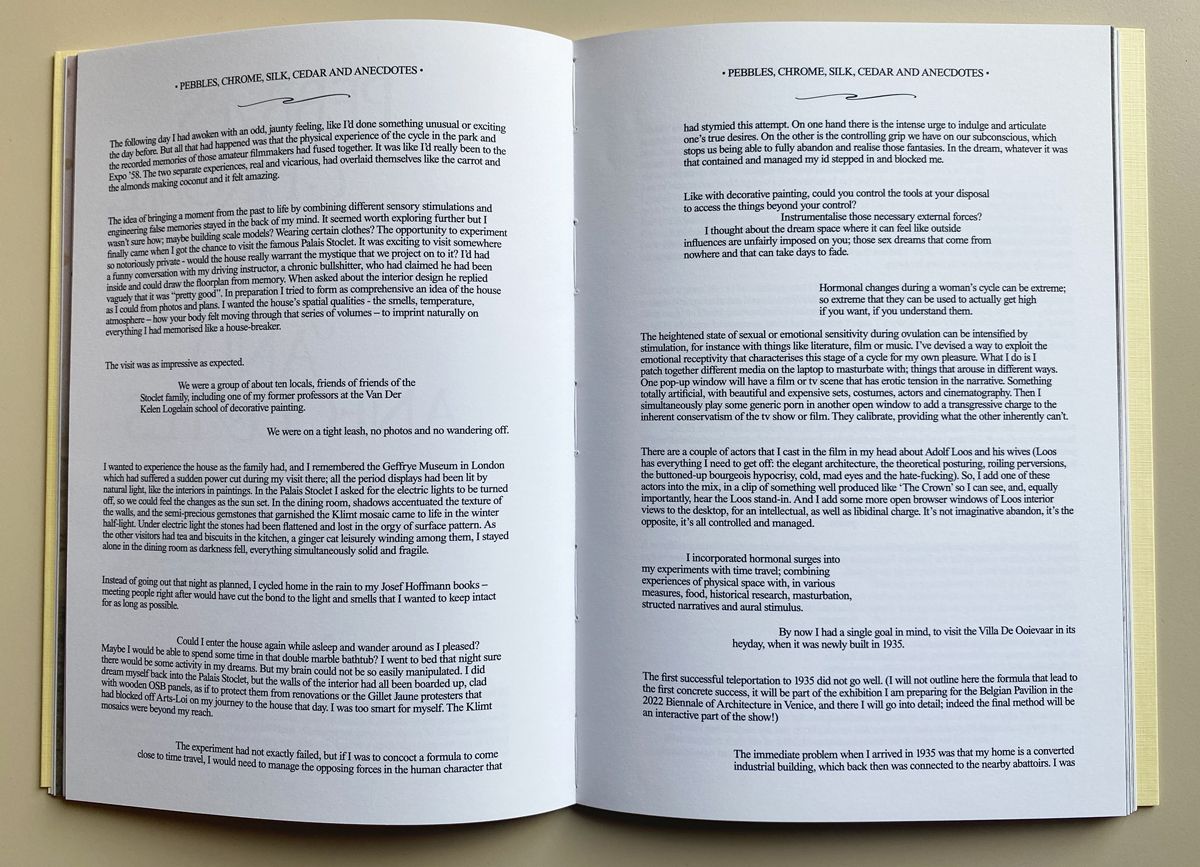
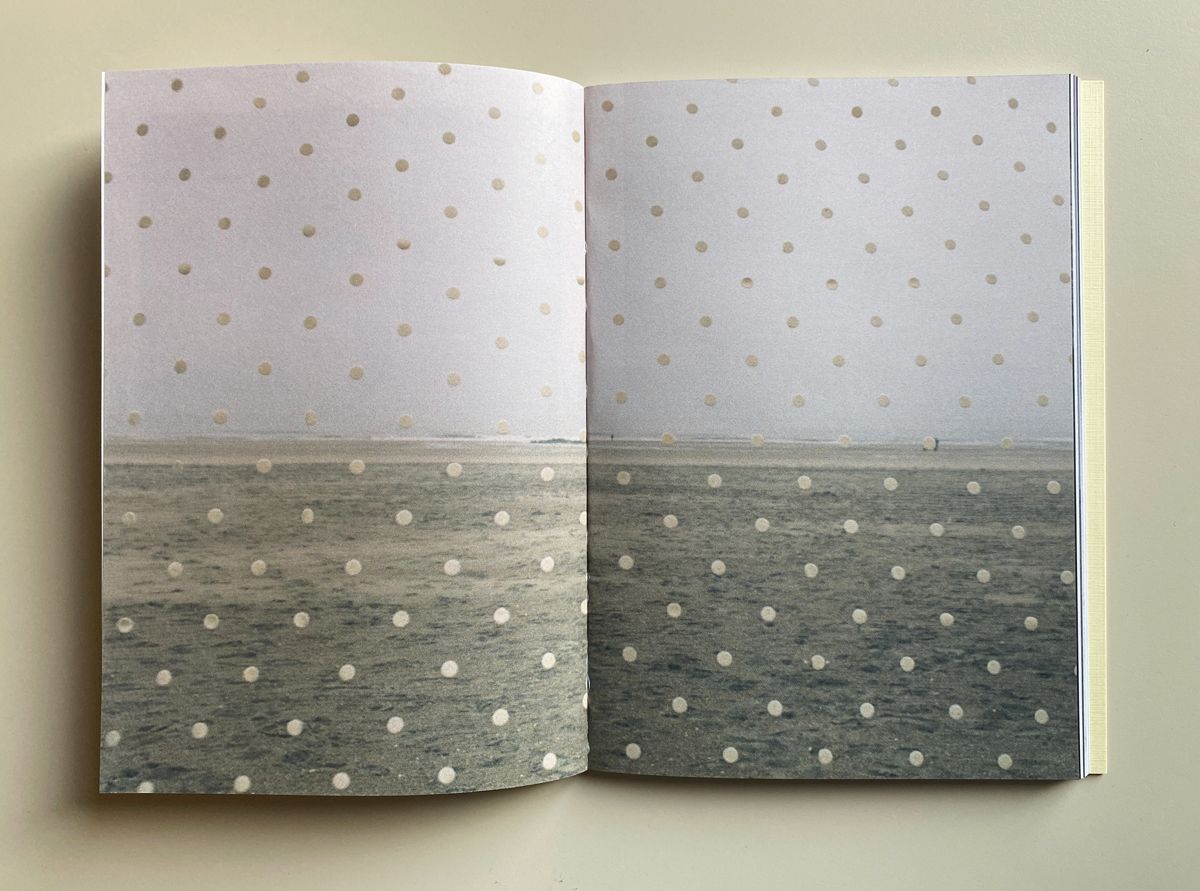
The project culminated in the publication Ornamenti, designed by Alice Zani, and featuring a short fictional text written by Lucy McKenzie herself.
A kind of fairytale for adults.