Allegretto for Incalmi
Design and art direction for a custom version of "Maniera" wall covering.
ph: Piergiorgio Sorgetti, Ellerstudio
text: Annalisa Rosso
There are rooms where, by definition, permanence can only be temporary. Corridors, antechambers, landings, passageways that I imagine are unwittingly charged with expectations, even in everyday life. But from my perspective, it is in hotel rooms that the most intimate and meaningful transience is felt – especially when nothing is happening and when we have nothing to do. The break from everyday life interrupts the linearity of time, and perception becomes acute, making it easier to listen. 20th century thought taught that an entire life can be defined by a single day, and this seems especially true when applied to a limited period spent in a non-neutral place, like Allegretto. Valentina Cameranesi Sgroi, with regard to her project for Incalmi, spoke of ‘a minimal space’.
In this case, for me, minimal means dense, compact.
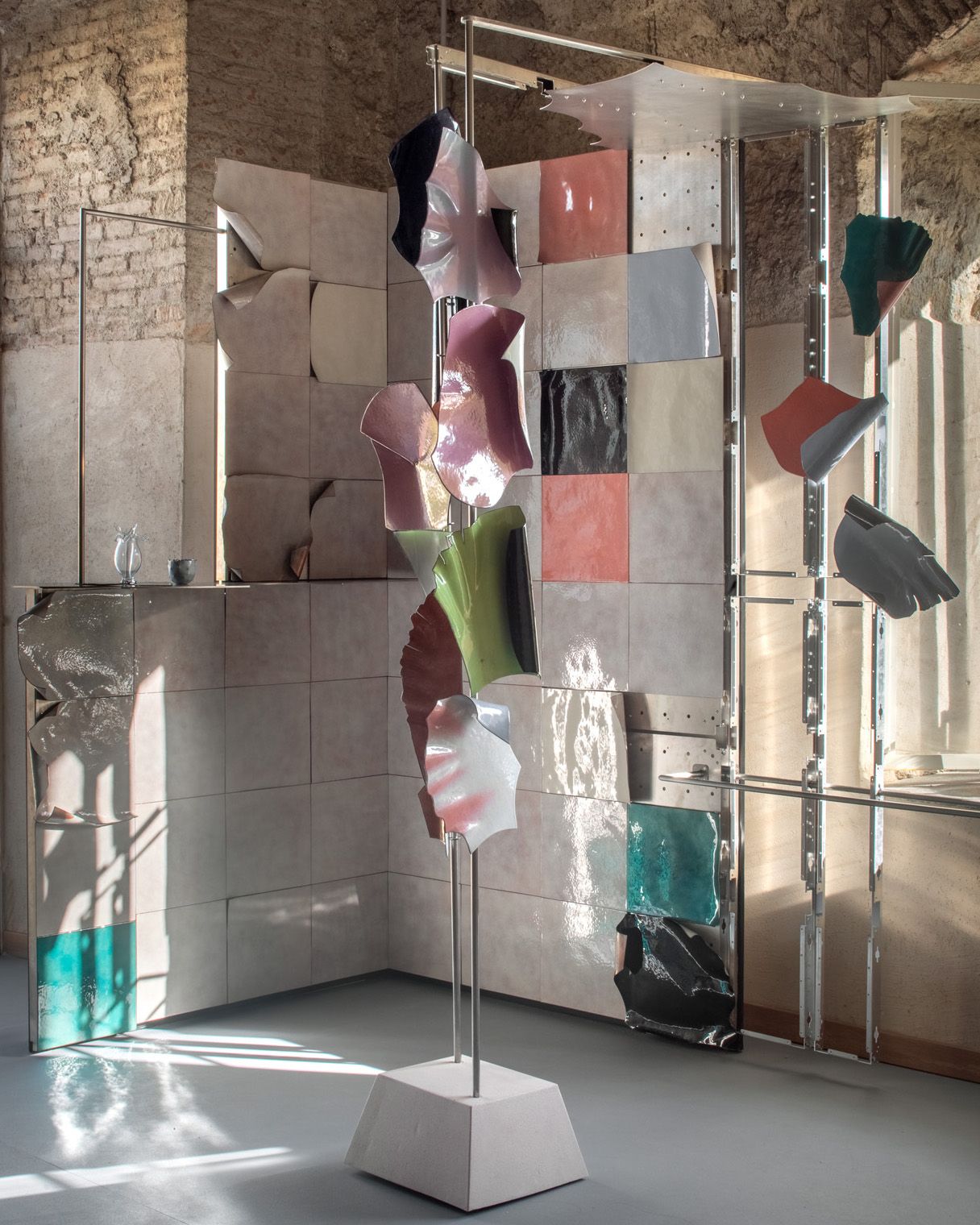
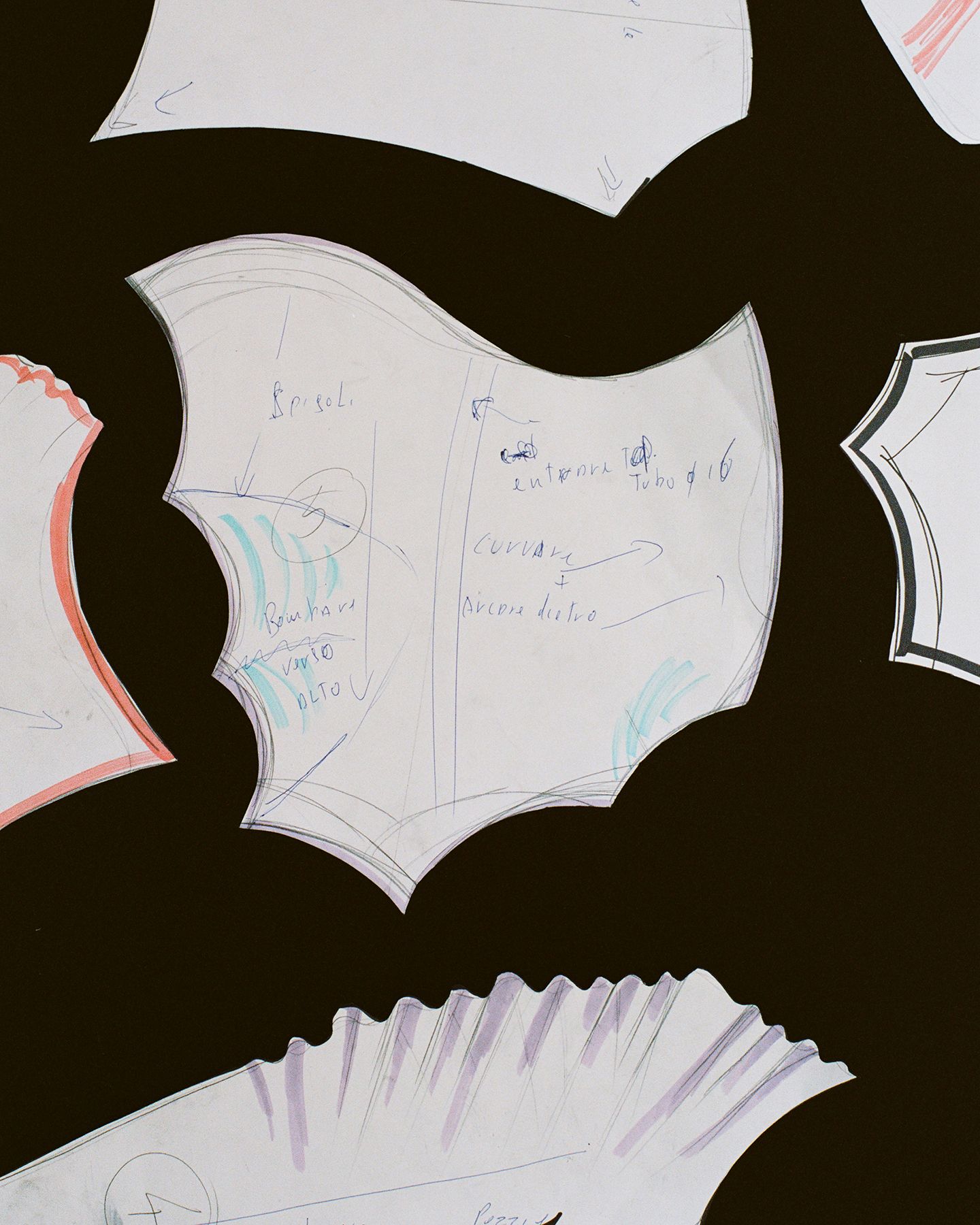
The designer worked on Maniera, the noninvasive modular system created by the Venetian artisan company to adapt to very different environments, reconfiguring it with her alphabet of shapes, colours that evoke moods, and minimal details (precisely) recognisable as inside jokes to those who know how to read the alphabet of her visionary world.
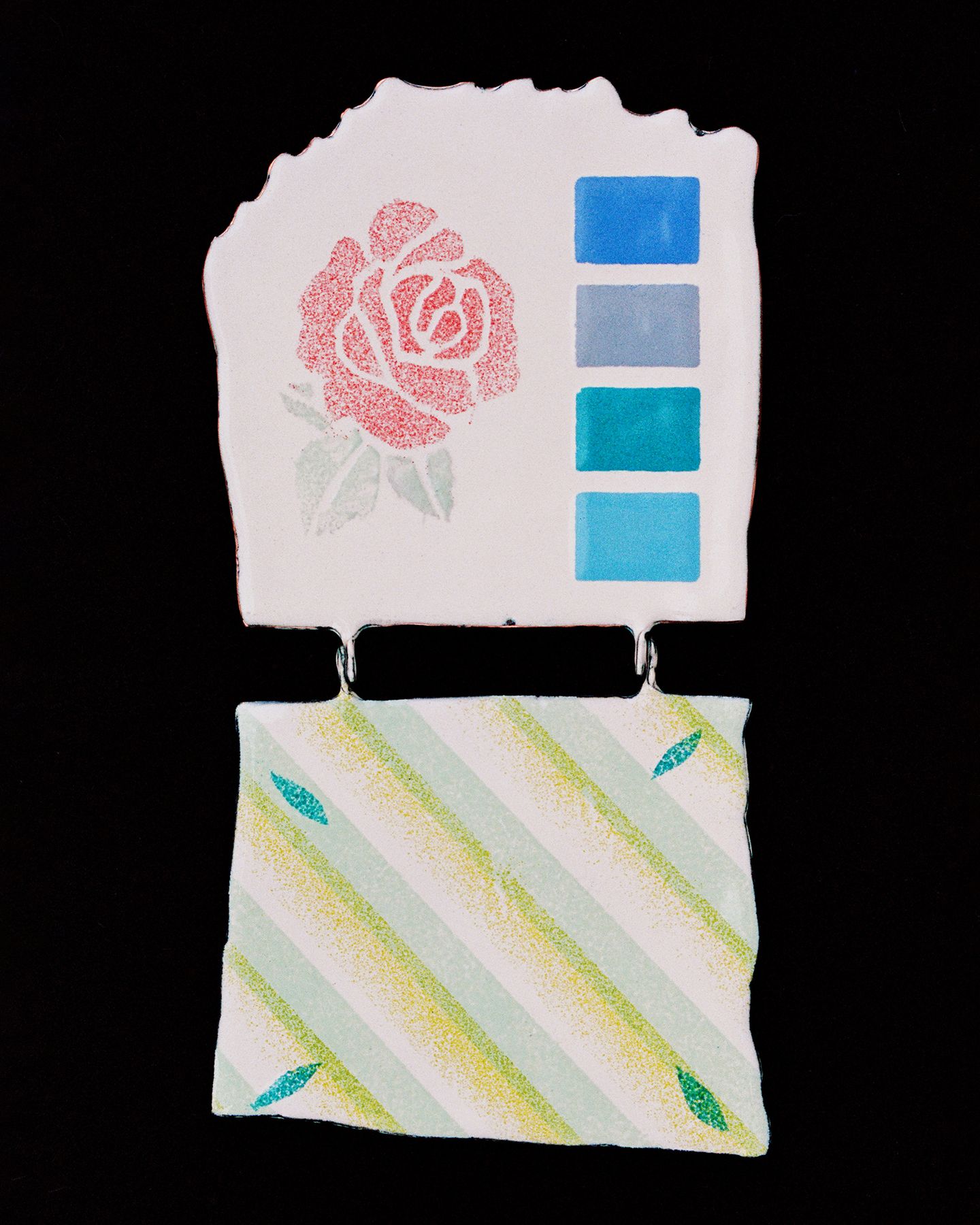
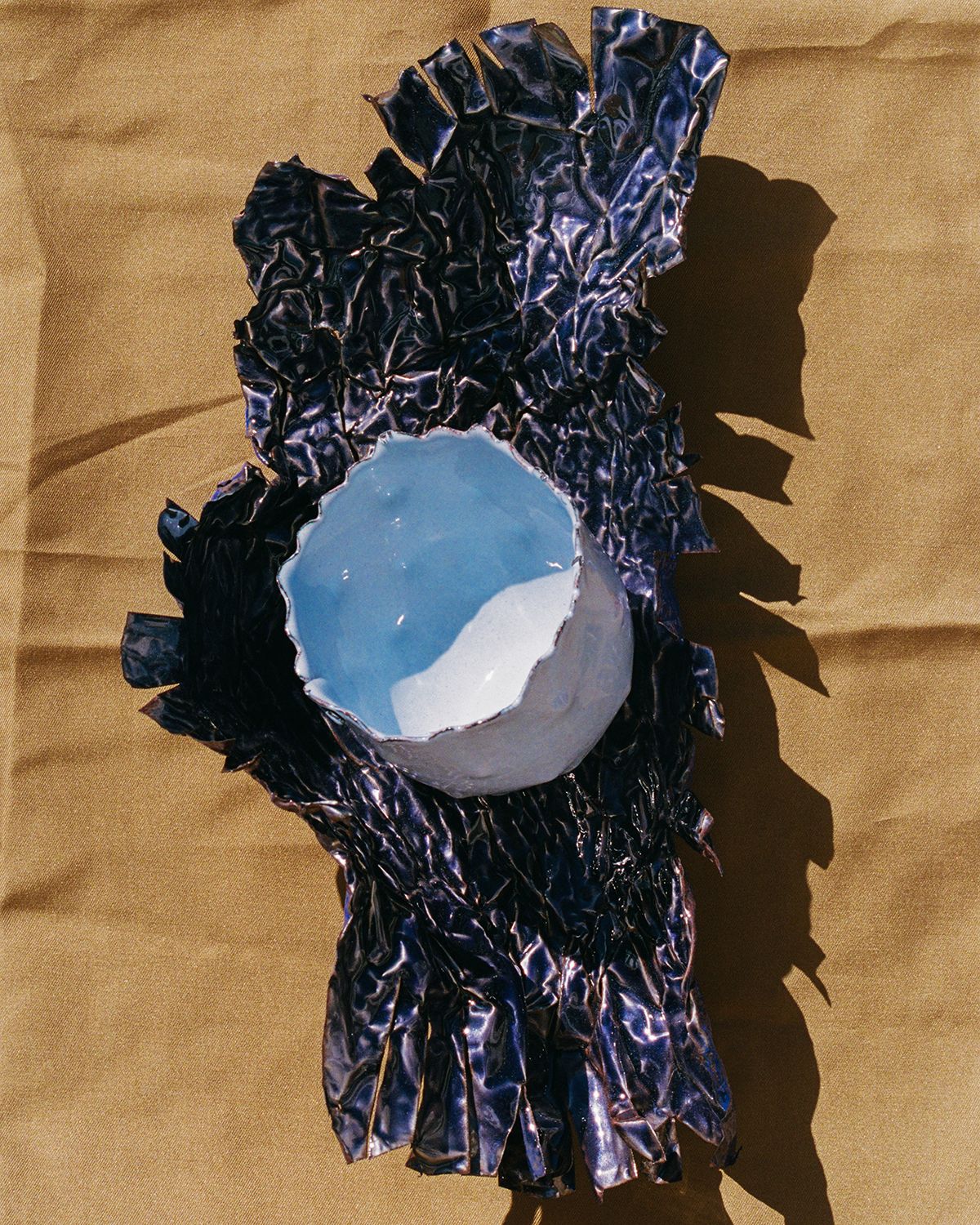
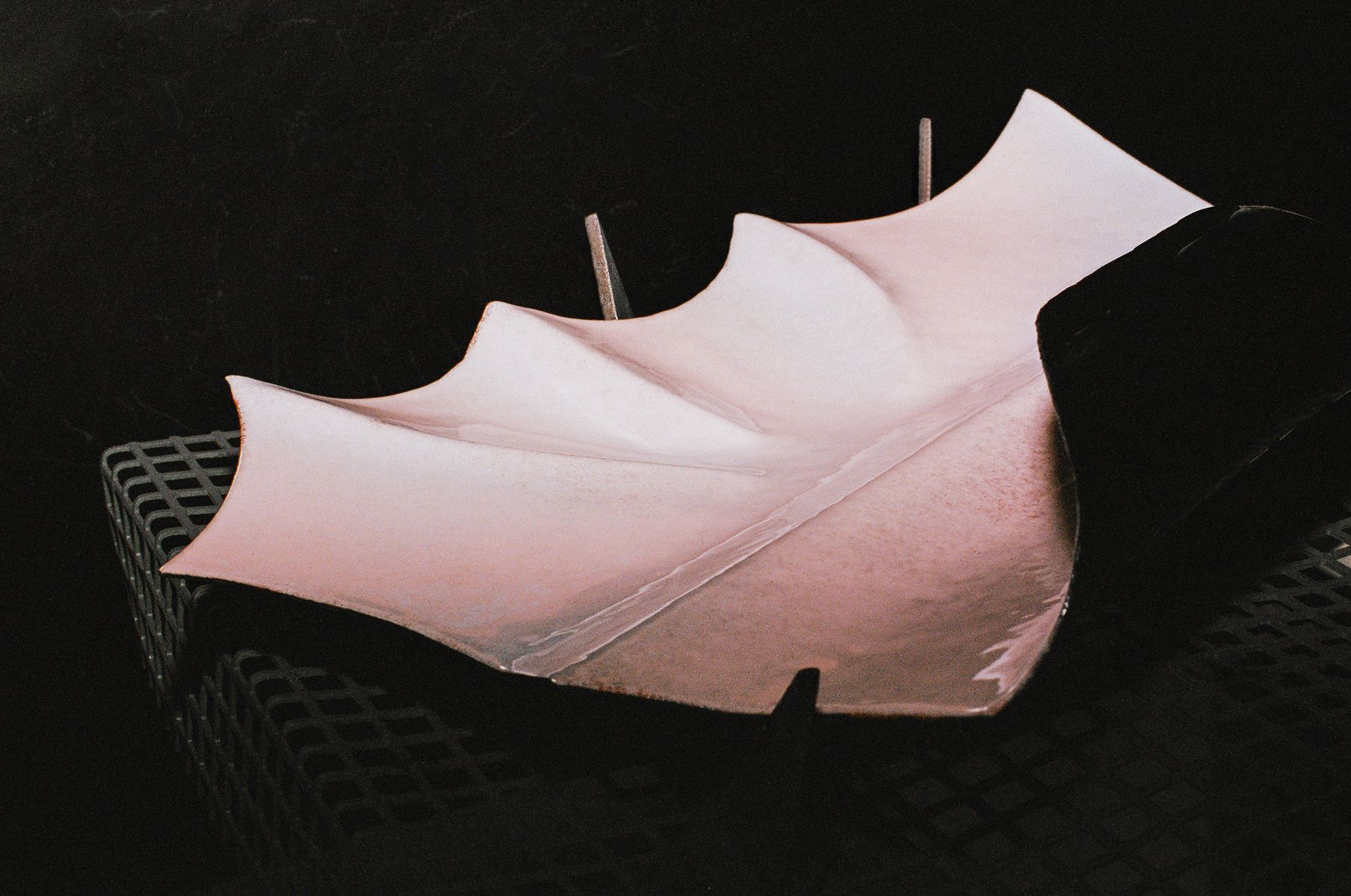
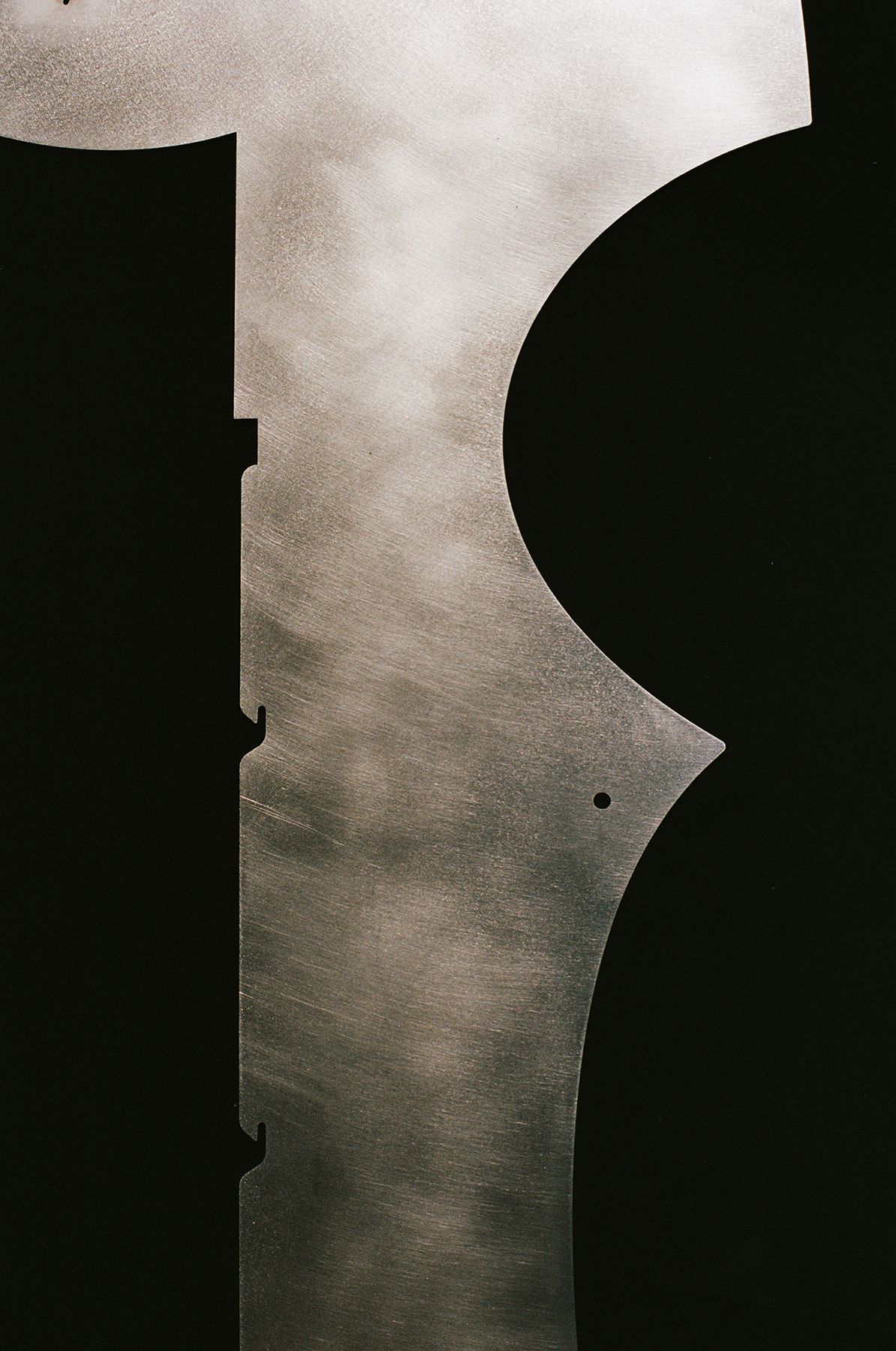
The collaboration with Incalmi was crucial in this regard: sharing based on a mutual exchange of skills and perspectives, an intensive and joint exploration of surfaces, materials, finishes, and processes rediscovered in historical archives or explored ad hoc, in the finest tradition embodied by the Marghera-based manufacturing hub. It is difficult to determine where each individual’s contribution begins and ends, because Incalmi has successfully interpreted the designer’s poetic vision, providing an atypical and virtuoso industrial production method based on refined craftsmanship, technical research, and an openness to experimental languages. The result is a refuge like room set in an emblematic context, both a physical, enveloping dimension and a mental space of pure abstraction. Enameled copper reminiscent of a crumpled sweet wrapper, iridescent glass that becomes a magic eye, ceramics, Vienna straw, a copper button.
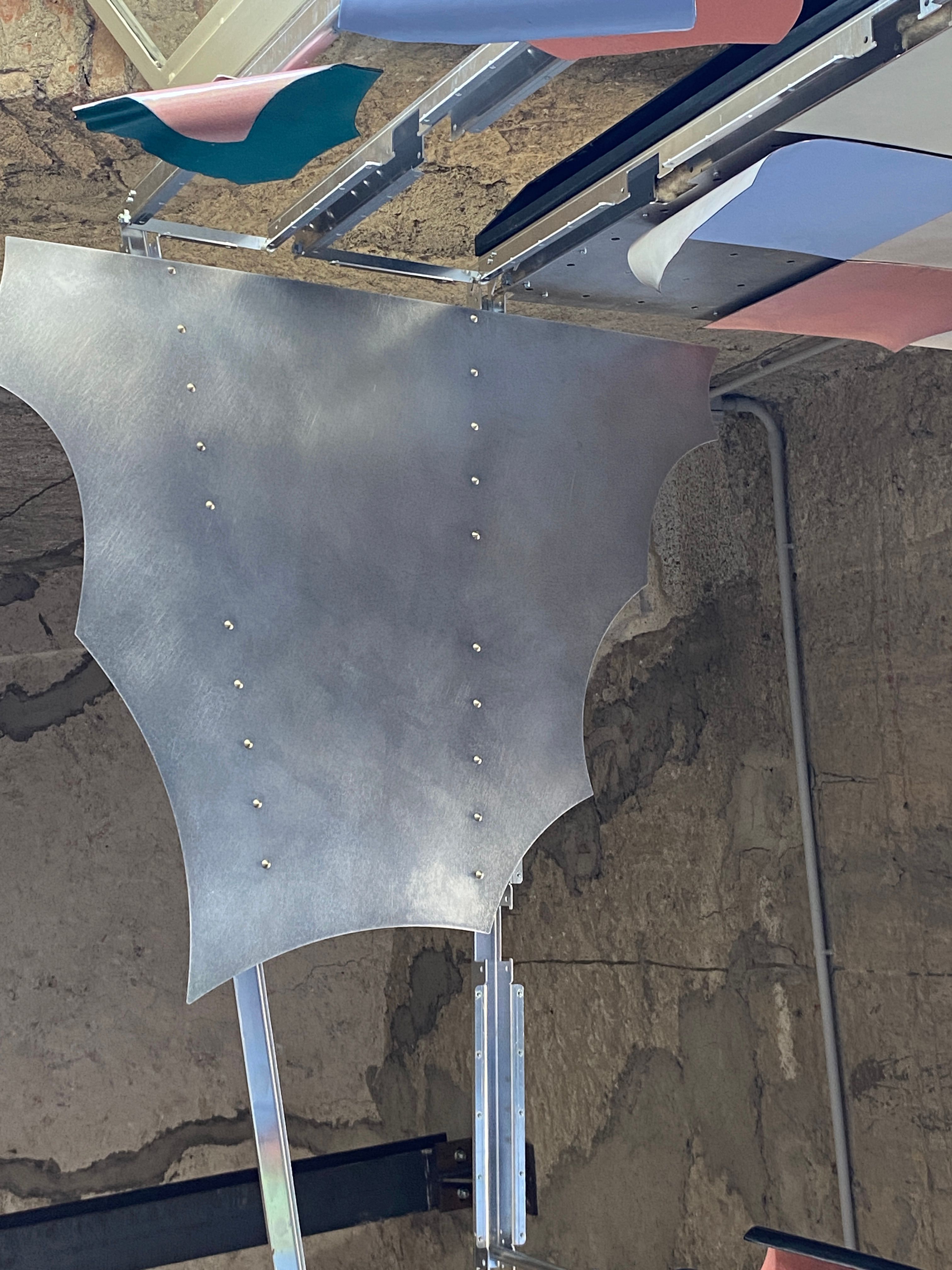
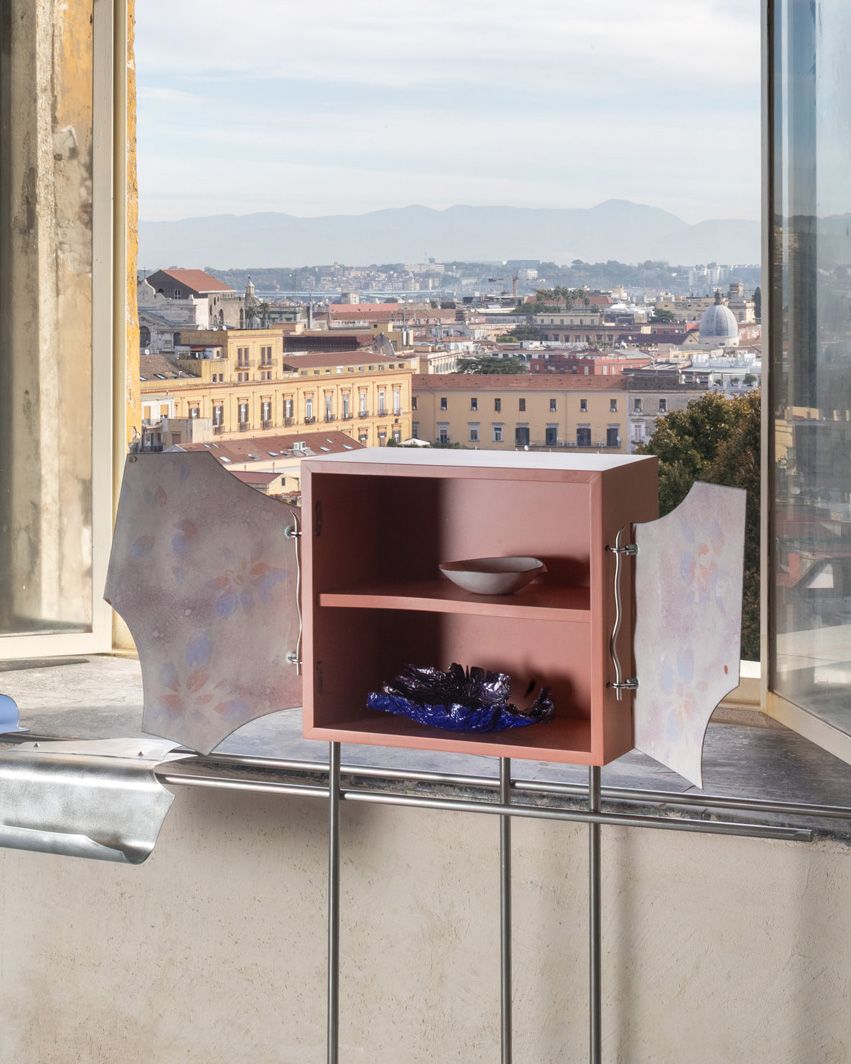
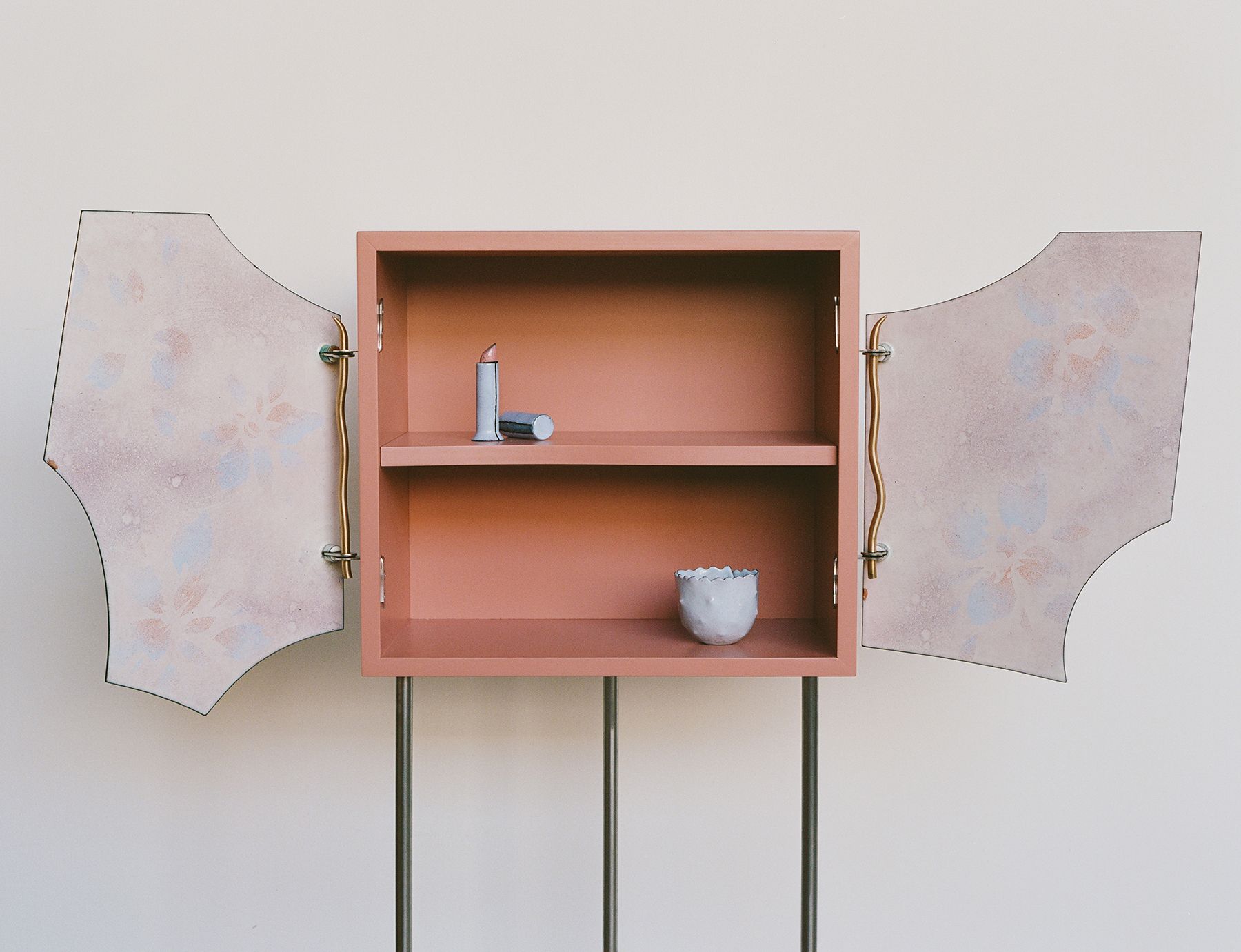
A small vase nestles among modular units and a slanted cabinet. A wall is animated by solids and voids that interact with the light, an ideal balancing act that embodies a static structure, with its multiple grafts of decorative and functional elements, with a delicate, ephemeral, and temporary feel. As in the best acrobatics, the gesture is natural and free of contradictions, and this peculiar harmony also embraces the desire to preserve certain irregularities, almost a signature trait of Cameranesi Sgroi, who interprets manufacturing creation in light of her fascination with imperfection and the unexpected. The relationship of mutual trust built with the Incalmi artisans who worked with her, and the shared design philosophy, were crucial, allowing the unexpected to be integrated as a valuable component of the final work. Some elements overlap, certain technical details are visible, a sliver of light filters between the cracks because the parts do not perfectly align.Balancing between truth and abstraction, the impression is that of being on a set, or in the pages of a short story. In this place, preferably alone, one can play at tracing the many references that ignite Valentina Cameranesi Sgroi’s imagination, from the materiality of makeup (the slight smudge of lipstick, shimmering powders mixing) to the experimental Japanese architecture of the 1980s. But it will be necessary to unleash the unconscious, which fortunately is always at work, because here there are no explicit references or didactic interventions. Au contraire. And while some traces are overtly feminine, subtle, and delicate, this is actually an antifragile production, where a biting irony can be read between the lines, with hints of severity and remarkable resilience. In a certain sense, Allegretto is a selfportrait. But it is also a mirror, reflecting an imaginative designer grappling with a specific system, a framework that allows thought to express itself without preconceptions, because the real question is precisely the meaning of what is happening now, not how long it will last.
We accept that there is an end, an integral part of the concept of temporariness, the very criterion of planning.
And with the end comes change.
Unpredictable, perhaps beautiful.